


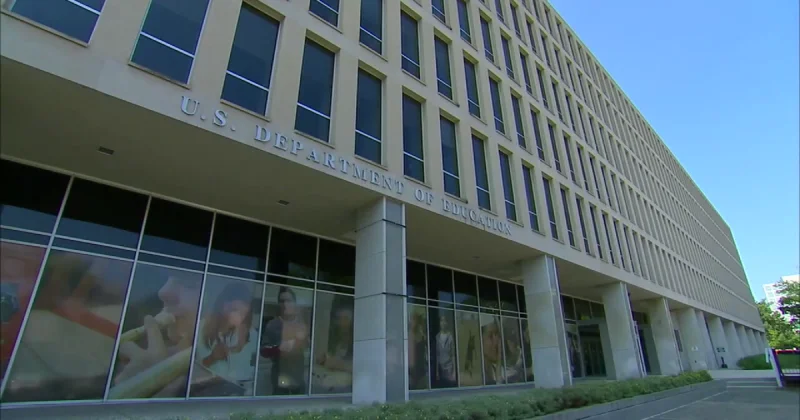
A major federal student loan overhaul took effect on Wednesday, ending the SAVE repayment program and tightening borrowing rules for millions of borrowers and parents. The changes touch roughly 43 million Americans who together owe $1.7 trillion, and they push people who had been protected by SAVE back into active repayment.
That is why the policy is drawing attention now. The overhaul leaves seven million borrowers who had been enrolled in SAVE with a 90-day window to move into another repayment framework, while the Department of Education says broad student loan forgiveness is off the table. For many households, this is not a distant policy shift. It is the difference between a paused bill and a monthly payment that is about to return.
The government has also tried to make the transition easier by putting a repayment calculator on StudentAid.gov that borrowers can use to compare options and apply for a plan. Officials say the tool can help people sort through the new setup in about 10 minutes, which may matter because the system is changing at the same time repayment is being restarted.

Under the new framework, new borrowers will not be able to move into an open-ended menu of repayment choices. Instead, they can pick between a standard repayment structure and an income-based one, a narrower set of options than many borrowers have had in the past. The overhaul also changes how much money can be borrowed for higher education, replacing the old rule that let graduate students borrow up to the full cost of tuition and fees with tighter federal limits that cap what can be borrowed over a career.
That is where the friction shows up. Education officials are telling borrowers to return to active repayment, but experts warn the changes will likely mean higher monthly bills for many. The loss of SAVE is especially important because the plan had offered a softer landing for millions of borrowers who were already struggling with repayment, and now those people must choose a different path while the rules around borrowing are being rewritten at the same time.
For parents, the most immediate number is clear: the new framework places a $65,000 lifetime cap on Parent PLUS loans. That cap narrows what families can borrow through a program that had helped cover education costs when other financing ran short, and it signals that the overhaul is not just about repayment but about shrinking the federal role in future borrowing as well.
After Wednesday, the remaining question is not whether the system has changed. It has. The question is how many borrowers will move quickly enough to avoid drifting into a payment structure that costs them more than the one they just lost.
