


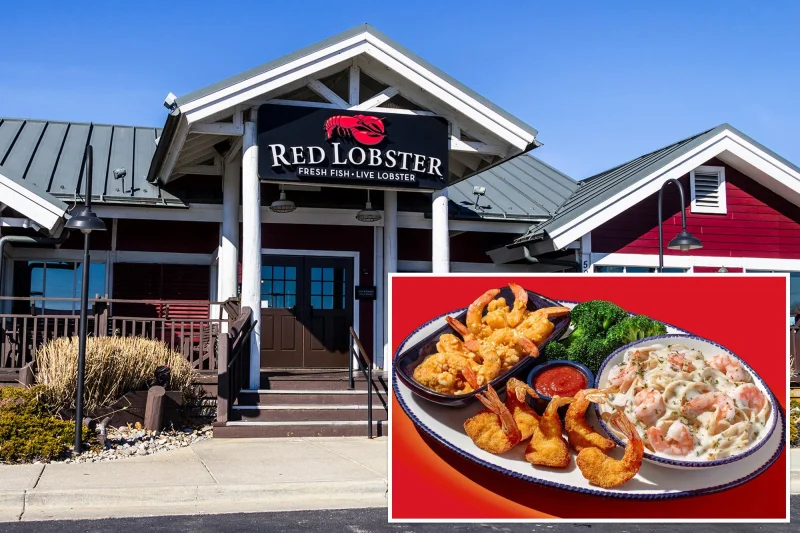
A trust representing Red Lobster creditors has sued Thai Union, accusing the seafood giant of squeezing value out of the chain before its 2024 bankruptcy filing and using Endless Shrimp to push costly shrimp purchases onto the restaurant. The lawsuit was filed last month in the Ninth Judicial Circuit Court in Florida and seeks a jury trial to decide monetary damages.
The filing comes as creditors say they were owed about $295 million when Red Lobster collapsed, and it targets the conduct of a former owner that once held both minority and majority control of the chain. Thai Union bought a minority stake in 2016 and took majority control four years later, giving it the ability to shape decisions that now sit at the center of the Red Lobster Thai Union lawsuit.
At the heart of the complaint is Endless Shrimp, a promotion Thai Union turned from a limited-time offer into a permanent menu fixture. The suit says that move made no economic sense and helped drive a single-quarter loss of $11 million. It also says the spike in demand forced Red Lobster to buy large amounts of shrimp from Thai Union at inflated prices, with the complaint arguing the company charged significantly more than the going market rate.
That allegation matters because the lawsuit frames Red Lobster not as an independent restaurant chain, but as a distribution arm for Thai Union’s own products. Thai Union is accused of treating the chain as a captive buyer, extracting value through shrimp sales while Red Lobster was still operating and before its bankruptcy. The complaint uses the phrase “squeeze out every drop of value” to describe the alleged approach.

The friction point in the case is that the promotion was not just a bad bet pushed from the outside. Thai Union had already made Endless Shrimp a fixture of the menu, even as the complaint says the deal made no economic sense. That gap between strategy and outcome is what gives the lawsuit its force: a legacy promotion became a mechanism for steering more purchases to Thai Union, and Red Lobster is now asking a jury to decide whether that crossed the line into self-dealing.
The filing also traces how control shifted inside the company. Thai Union sent representatives to Red Lobster’s Orlando, Fla. headquarters as the chain struggled during pandemic-era store closures and competition. Paul Kenny allegedly made clear he was in charge when he arrived, and Kelli Valade resigned within weeks after serving seven months as CEO. Later, Kenny was named Red Lobster’s interim CEO in August 2022.
From there, the complaint says Thai Union embedded its own operatives in Red Lobster’s decision-making and took over shrimp purchasing. Kenny allegedly interfered with supplier contract awards and said Red Lobster owed it to Thai Union to buy its products exclusively. In 2023, he banned a longtime supplier of pre-breaded shrimp for a year, which left Thai Union as Red Lobster’s sole provider of nearly half its shrimp products. The suit says that arrangement let Thai Union charge much more than the market rate.
Control then shifted again when Red Lobster defaulted on a loan from Fortress Investment Group later that year, and Fortress took control of the board. Thai Union announced in January 2024 that it would divest from the company, and Red Lobster later filed for bankruptcy. The chain is now owned by an investment group led by Fortress, leaving the trust’s lawsuit as one of the main tests of whether creditors can recover more from the collapse.
The case is likely to turn on whether the court sees the shrimp arrangement as aggressive but ordinary leverage, or as a deliberate extraction of value from a company already sliding toward insolvency. A jury trial would settle the damages question, but the bigger issue is whether Red Lobster can show that its former owner helped set the terms of its own decline.
