


The Senate passed the 21st Century ROAD to Housing Act on Monday in an 85-5 vote, sending the housing affordability bill in the Senate to the House for approval. The measure is designed to lower housing costs and expand supply, and it now moves to the next chamber after clearing one of the biggest legislative hurdles left in Washington.
The vote gives the bill momentum at a time when housing affordability remains a front-burner issue for voters heading into the midterm elections. It also comes after months in which Congress has been mired in gridlock, making the scale of the bipartisan support stand out even more.
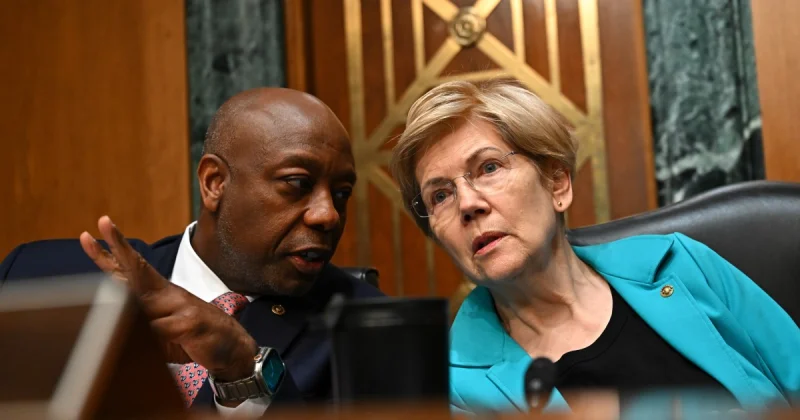
Sen. Tim Scott said the package reflected years of work to lower costs, expand housing supply, cut red tape, protect taxpayers and help more Americans achieve homeownership. He urged lawmakers to move it across the finish line. Sen. Elizabeth Warren said the legislation included more than 45 housing provisions and would remove some regulatory barriers, streamline environmental reviews, update chassis requirements for manufactured housing, create an innovation fund for communities increasing supply and support housing opportunities for veterans.

The bill’s reach is one reason it drew unusual support. It includes a provision limiting institutional investors from purchasing certain single-family homes, a step the White House has pushed for, and it is described as the most sweeping housing legislation in decades. That breadth helps explain why the legislation could assemble votes from both parties even as other business in Congress has stalled.
The compromise did not come together overnight. The Senate approved an earlier version of the package in March, the House passed another version in May, and the Senate Banking and House Financial Services committees announced a bicameral agreement last week. GOP Rep. French Hill said the final text adopted key House priorities and called it a meaningful step toward increasing supply, improving affordability and helping more Americans achieve homeownership. Rep. Maxine Waters said no compromise is perfect, but the legislation reflects meaningful progress.
What happens next is simpler than the politics that produced it: the House now has to decide whether to accept the Senate-passed version or force the bill back into negotiation. If it moves quickly, as lawmakers expect, the measure could become one of the rare bipartisan victories of the year, and a test of whether Congress can still deliver on a problem that has squeezed renters, buyers and communities for years.
