


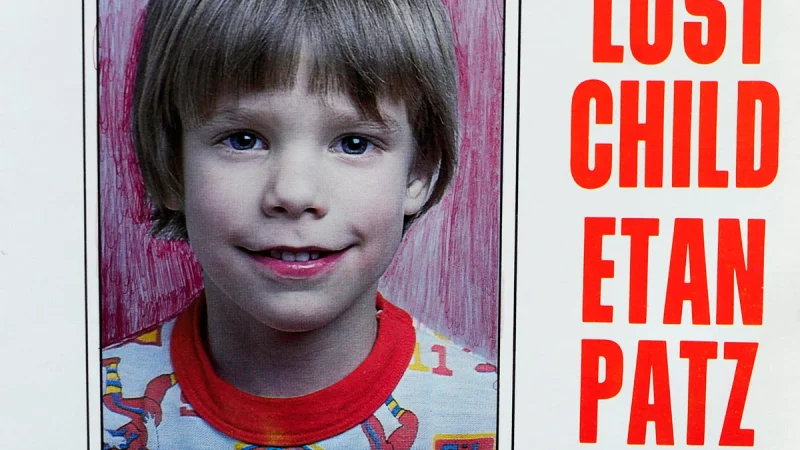
The Supreme Court on June 22 left Pedro Hernandez's conviction intact in the Etan Patz murder case, reversing a ruling that had ordered a new trial. The unsigned opinion means Hernandez will not get another chance to challenge the verdict that sent him to prison for 25 years to life.
The decision matters now because it ends, for the moment, the question of whether one of the country’s most watched missing-child cases would have to be retried. Etan vanished near his New York City home more than four decades ago, and his body has never been found, leaving the case to turn on testimony, memory and the reliability of a confession that Hernandez’s defense said was false and shaped by mental illness.
Hernandez, a former store clerk in Etan’s neighborhood, was named a suspect in 2012 after he confessed to the crime. His first murder trial ended in a hung jury, but he was convicted at a second trial in 2017. Last year, the New York-based 2nd U.S. Circuit Court of Appeals overturned that conviction, saying the trial judge did not correctly tell jurors how to weigh Hernandez's first confession before he had been advised of his rights.

The Supreme Court went the other way. It reversed the appeals court’s finding that the jurors had been given improper instructions and left standing the verdict returned in 2017. New York prosecutors argued that the lower court was wrong to throw out the jury's decision on such a slender reed, and they warned that any retrial would be hard because the crime happened so long ago and some of the witnesses who testified at Hernandez's trial have since died. Based on the record now, that concern has gone from theory to fact: at least two of the witnesses from the 2017 trial are no longer alive, making the passage of time itself part of the case.
Manhattan District Attorney Alvin Bragg said the horrific murder of Etan changed a generation of New Yorkers and that his office would continue to stand by the conviction. The Patz case, along with the case of Adam Walsh, helped draw a wave of public attention to missing children and changed how the FBI and other agencies approached such investigations. The National Center for Missing and Exploited Children has said there was no crime database for children before a national database existed for stolen cars or other objects, and there was no AMBER Alert system.
Etan was also one of the first children featured on milk cartons in the 1980s, when those cartons often carried photos of missing children and a hotline for tips. For Hernandez, the ruling closes off the immediate path to a new trial. For Etan's case, it keeps the conviction in place and preserves a judgment that, for now, the Supreme Court says should stand.
