


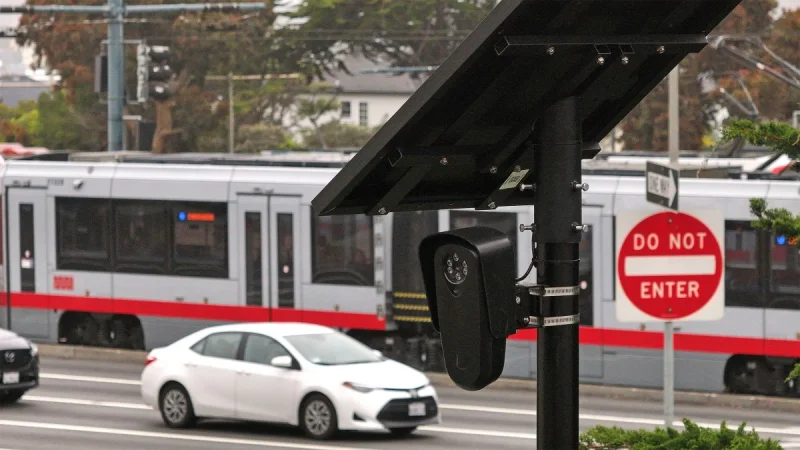
Leonardo is planning to add an advanced signal intelligence layer to its license plate camera systems, turning a tool built to read cars into one that can also sweep up device identifiers from phones, Bluetooth wearables and vehicle systems. The company’s SignalTrace product is designed to bridge plate data with those sensor-captured signals and create a searchable electronic fingerprint for investigative use.
That is why the License Plate Camera search is drawing attention now. Automatic license plate readers have already become common tools for tracking vehicles, but SignalTrace would push that surveillance further by linking a plate to the electronics moving nearby. A person driving with a cell phone, laptop, fitness tracker or wireless headphones could be tied to a car’s time-stamped location, even if the device itself was never meant to be part of a police investigation.
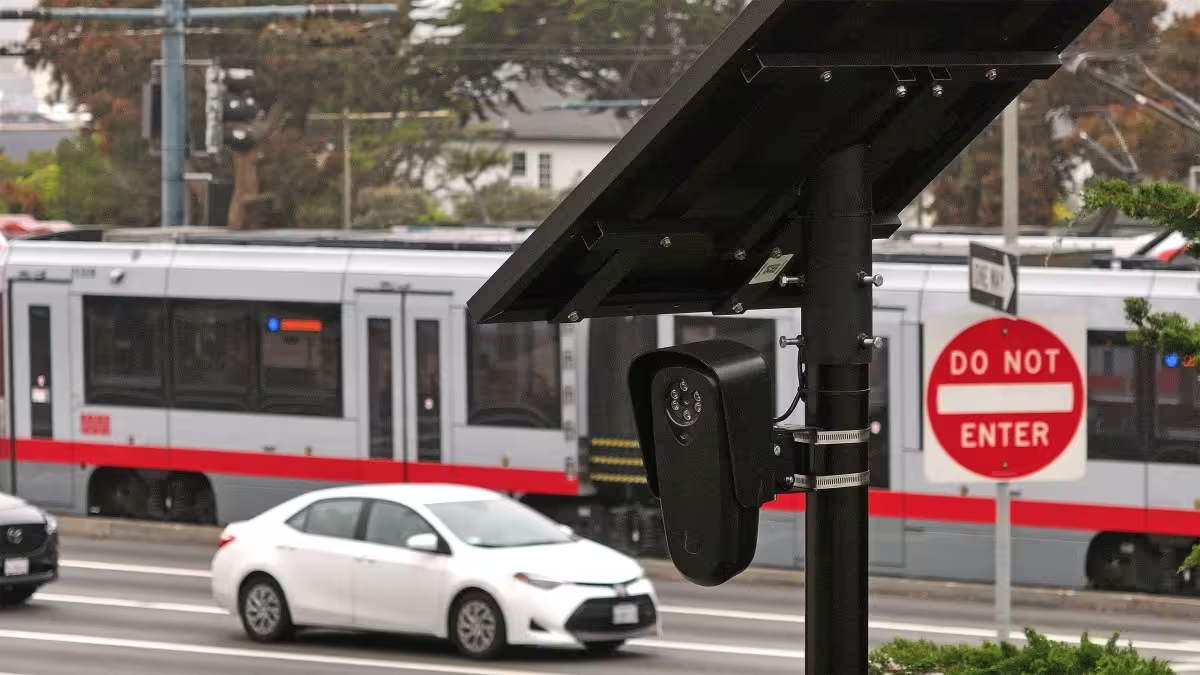
The product sheet describes a system that can also pull in RFID tags in key cards and pet microchips, and it can monitor vehicle hotspots, tire pressure sensors and infotainment systems. When multiple devices keep moving with the same vehicle, SignalTrace links them to that vehicle’s license plate and stores the device and correlation data in the EOC Enterprise Operations Center for later searches and analysis. Leonardo already sells ALPR cameras and communications equipment to law enforcement, border security and other government agencies, and its US arm has contracts with US Special Operations Command and the General Services Administration.
Leonardo frames the system as an investigative tool, but the design cuts against that narrow label. It would gather signals from every car that passes, not just from vehicles tied to a case, which means the database would grow from routine traffic rather than targeted suspicion. Leonardo US Cyber and Security Solutions is one branch of Leonardo S.p.A., which is headquartered in Rome, Italy, and the company’s push comes as AI cameras spread faster across the US, including in Minnesota, where AI cameras are already being used to catch distracted drivers.
What remains unanswered is the part that matters most to anyone who could be swept into the system: how authorities would limit, audit or delete the device-correlation records once they are collected. Leonardo’s plans do not include a launch date or a first deployment site, but the direction is clear enough already. The next step is not a philosophical debate about surveillance. It is whether the rules for storing and searching this kind of data will exist before the cameras do.
