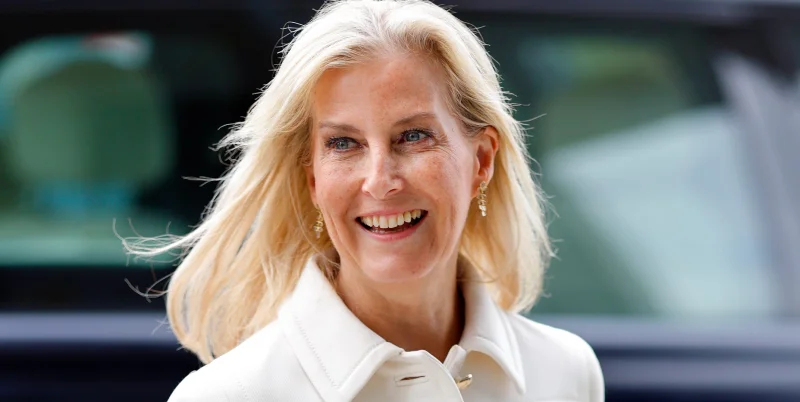
Sophie, Duchess of Edinburgh, stepped out in Windsor yesterday with Kate Middleton and made the day about more than the service itself. At the 2026 Order of the Garter service, Sophie wore a pastel ensemble and showed off a soft deconstructed updo that gave her look a relaxed, polished finish.
The hairstyle was swept back from the crown and softly twisted into a braid-like design before loose curled tendrils fell at the nape. That shape mattered because it turned a formal style into something lighter and fuller-looking, especially for midlife hair that can lose density around the hairline. In a recent beauty reading of the look, Carol Ritchie called it a gorgeous look for Sophie and said the appeal of a deconstructed updo lies in its movement rather than perfect symmetry.

The interest in the style is tied to timing as much as taste. Sophie and Kate appeared together in Windsor for a high-profile royal outing, and both wore pastel ensembles, but Sophie’s hair drew the sharper attention because it looked intricate without appearing stiff. Ritchie said soft updos can create softness and volume without looking forced, while tight styles can pull focus to finer areas near the hairline. Her point was simple: the look works because it creates the illusion of density.
That is also why the style lands as a useful reference point rather than just a one-off royal moment. Ritchie said it is easier to recreate than it appears, but only if the finish stays loose. The biggest mistake, she said, is trying to make everything too neat. Her method starts with texture through the blow-dry, using a product such as OSMO Matt Salt Spray, then drying with a big round brush for lift before loosely twisting sections from the mid-lengths, pinning them in place, and adding more from either side. The result is a style that looks carefully assembled without looking overworked.
Sophie has worn sleeker French comb buns and twisted braids before, but this appearance gave her a softer, more forgiving option that feels current without chasing novelty. What remains unanswered is the practical detail that matters most to anyone trying to copy it: whether the style was created professionally on the day, and how long it took to build the finished shape.