


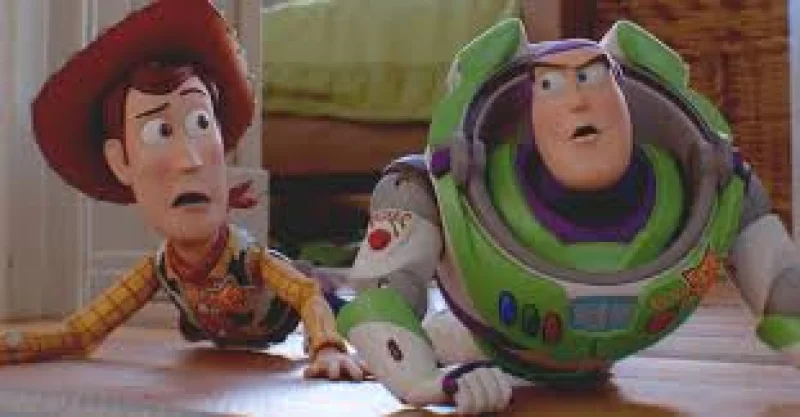
Toy Story 5 puts a box of trouble at the center of its story: Lilypad, a sinister new tablet voiced by Greta Lee, arrives as the latest threat to the honest-to-goodness toys’ existence. Buzz Lightyear, Woody and Jessie are back in the middle of it, and this time the enemy is not a broken pull-string or a mean child, but a screen that promises connection and then drains the play out of childhood.
That is why this fifth episode in the franchise lands now. The film returns to the old idea that toys matter most when children are imaginative, but it sets that against the familiar pull of addictive tech devices. Bonnie, voiced by Scarlett Spears, is thrilled when she gets Lilypad because it seems to connect her with other girls, only to be lured into cruelty and online bullying. The setup is pointed enough to feel immediate: for parents and children who live with tablets and phones, the conflict is less fantasy than daily weather.
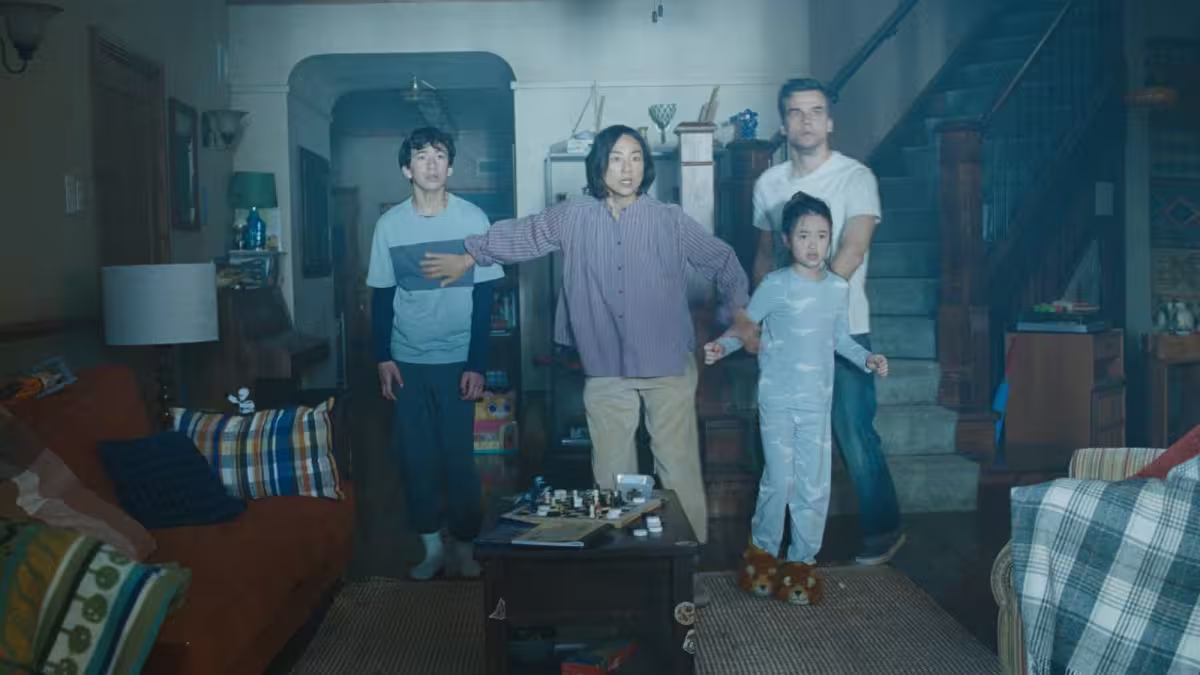
The cast makes the sell even sharper. Tim Allen returns as Buzz Lightyear, Tom Hanks is Woody, Joan Cusack is Jessie and Annie Potts is Bo Peep, while Conan O'Brien voices Smarty Pants and Mykal-Michelle Harris plays Blaze. The film also brings back the emotional echo of Jessie singing When She Loved Me in TS2, with a new song by Taylor Swift recalling Randy Newman’s masterpiece. That matters because the franchise has always known how to turn a toy story into something about loss, loyalty and time passing, even when the plot is dressed up as an adventure.
But Lilypad is where the movie starts arguing with itself. The tablet threatens the toys’ existence, yet it also ends up showing sentimental self-sacrificial heroism for the children’s mental health. That leaves the central conflict in a strange place: the device that is supposed to expose the damage of tech addiction is also asked to become its own moral rescue. The result, at least in the review’s telling, is a film with the clean shine of a brand new smartphone but a crucial theme of mortality that never quite gets enough power.
That is the real box Toy Story 5 has built around itself. It wants to warn about what screens do to children while still giving its villain a soft landing, and the choice weakens the final turn. The story may still move the toys and their owners forward, but the sharper question is whether the franchise can keep making room for wonder once its newest enemy is something every child already knows how to hold.
