


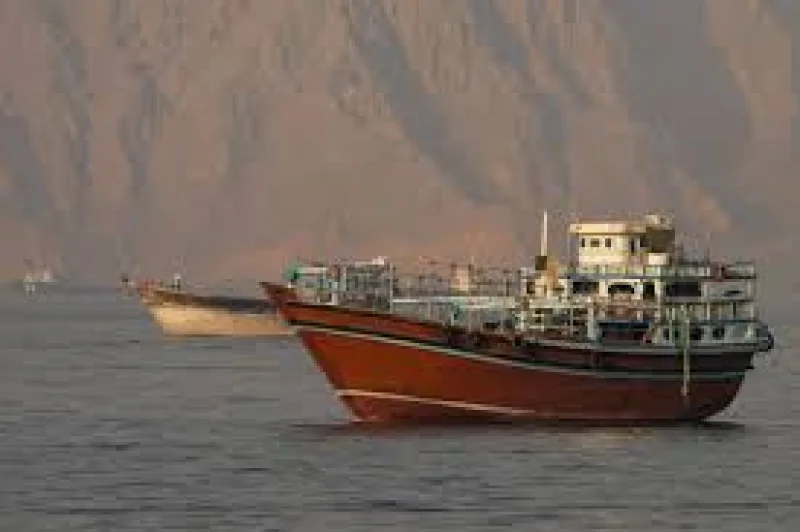
The White House has told supporters that President Donald Trump has already accomplished his goals in the war with Iran, even as the details of the initial MOU remain unclear ahead of a planned Friday signing in Switzerland. The gap between the public victory lap and the secret text is now driving the debate.
That is why the MOU is being searched now: the administration has been circulating talking points that say Iran agreed to never have a nuclear weapon, that the crucial Strait of Hormuz would reopen, and that fighting in Lebanon would end, but the agreement itself has not been released. Republican allies in Congress and the Israelis are still being kept in the dark, and that secrecy has made the White House’s claims harder to test.
Sen. Shelley Moore Capito put the problem plainly. “You don’t know what’s true and what’s not true — is it in there?” she said. “My speculation is that it’s probably still being written and fine-tuned, and the administration is not ready to release it until it’s all done.” Her doubt goes to the heart of the issue: if the terms are still being drafted, then the sweeping claims attached to them may be ahead of the paperwork.
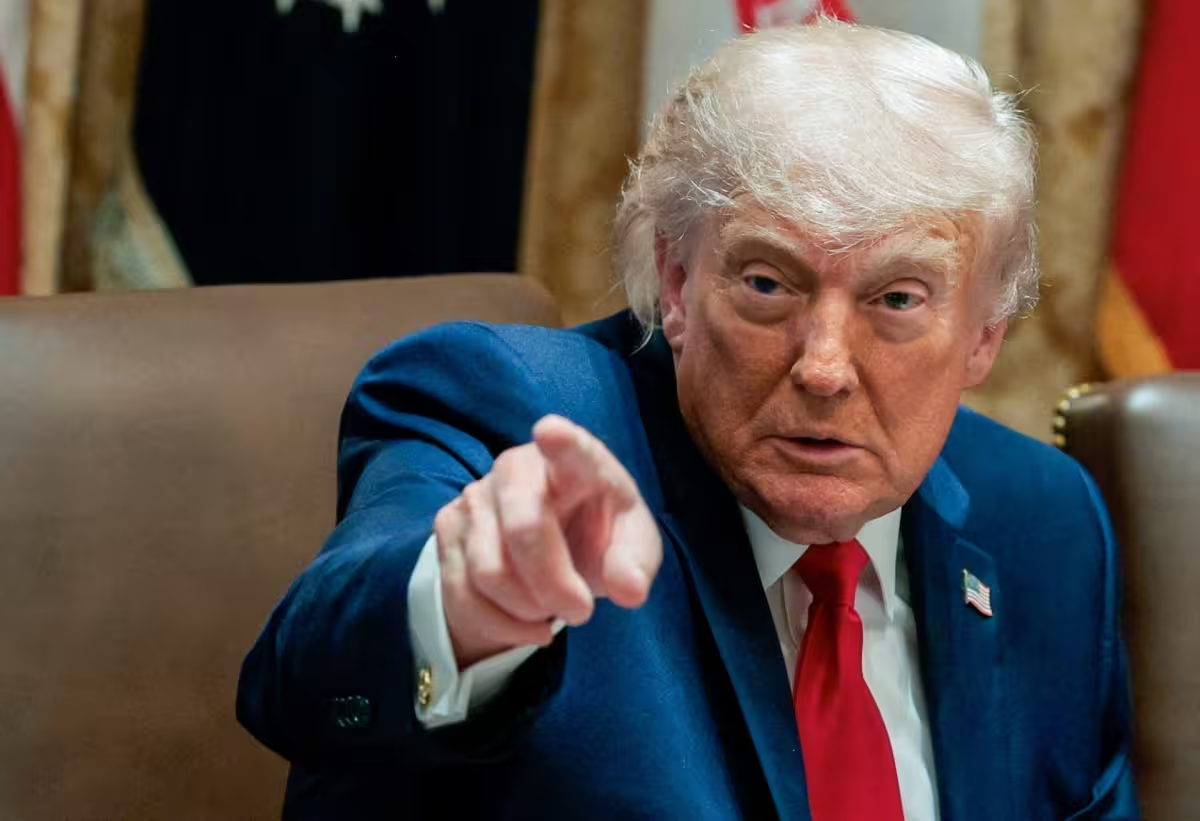
Trump has said he wanted the terms released only in a formal setting. Speaking at the G7 summit in France on Tuesday, June 16, 2026, he said, “I’ll not only release it,” and added, “I’ll probably have a press conference and read it to you word by word, so that the press covers it accurately.” He also said, “I like the idea, send it to Congress please,” and, “I mean who wouldn’t approve it?”
That promise sits alongside a legal reality that has tripped up presidents before. A law passed after the 2015 Iran nuclear agreement says a nuclear deal with Iran must be submitted to Congress, and Trump is hardly speaking to a neutral audience after abandoning the 2015 accord during his first administration. Barack Obama reached that agreement in 2015, and the present fight is really about whether Trump’s new deal will be judged on its substance or on the message being sold around it.
The strongest reading of the moment is that the White House wants the headline before the text, while lawmakers are being asked to react to talking points instead of terms. If the MOU is signed Friday in Switzerland, the next real test will not be the ceremony itself but whether the document matches the claims made about Iran, Lebanon and the Strait of Hormuz.
