


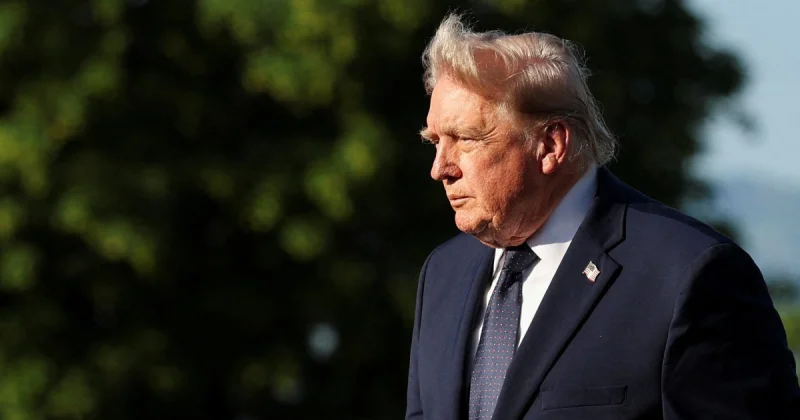
President Donald Trump quietly invoked the Defense Production Act last week, using emergency powers to push defense companies to speed up production of munitions and other weaponry. The move was disclosed Tuesday in a memo filed in the Federal Register.
The timing matters because the administration has spent months worrying that stockpiles of missiles and munitions were getting thin. Trump wrote in a June 11 memo to Defense Secretary Pete Hegseth that conditions may pose a direct threat to national defense and may impair the ability of the United States to produce, sustain and expand the availability of munitions, missiles and equipment required for it.
In practice, the Defense Production Act gives the president broad authority to expand and expedite the supply of materials. It also lets the government order private companies to prioritize federal contracts and, in some cases, collaborate in ways that could otherwise raise competition concerns. The law, created in the 1950s, has been used in emergencies ranging from natural disasters to terrorist attacks and the Covid-19 pandemic.
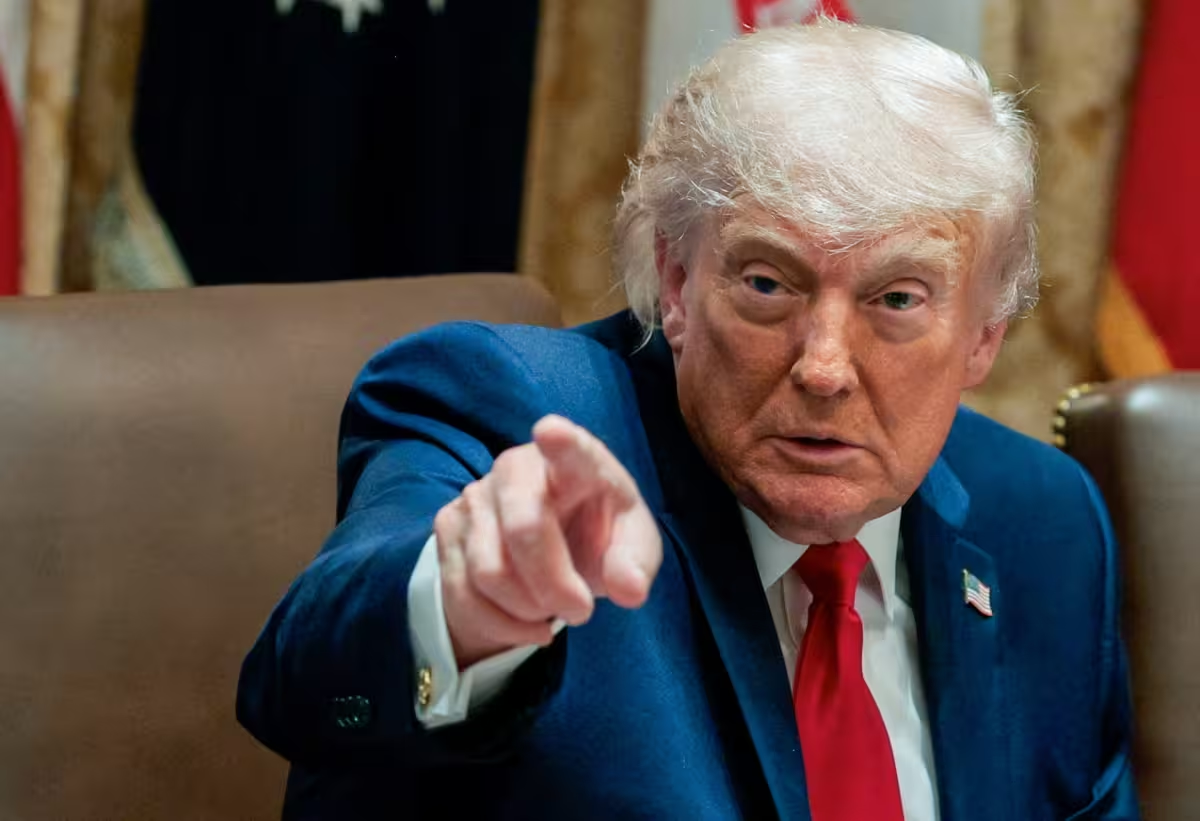
The disclosure landed on the same day Hegseth met with Senate Republicans on Capitol Hill about a $350 billion reconciliation package for additional Defense Department funding. Sen. John Cornyn said the meeting was mainly about money for the department and warned that the Pentagon is running short of funding it needs to buy the weapons and missiles it needs to protect the nation.
That is the friction inside the administration’s message. The White House has said there are plenty of weapons. Trump, when speaking to reporters, said, “We have unlimited middle and upper ammunition, which is really what we’re using in this war,” and a White House official later said he was referring to the range of the munitions. Yet Trump and other administration officials had been discussing the depletion of stockpiles for months, and in March lawmakers were already being told the Defense Production Act could be used to accelerate production.
The public move also comes as Washington is still trying to manage the war’s aftermath. The U.S. and Iran agreed Sunday to a memorandum of understanding to end the war and reopen the Strait of Hormuz while they negotiate a broader deal over 60 days. Trump said that memorandum will be public after a signing ceremony Friday, but since Sunday Iran's Islamic Revolutionary Guard Corps has fired multiple drones toward commercial ships in the Strait of Hormuz.
What Trump has done now is clear: he has put a 1950s-era emergency law behind a push for faster weapons production while Congress weighs more money for the Pentagon. What remains unclear is which defense companies will be ordered to move faster, and how much additional production the administration thinks it needs before stockpiles are where it wants them.
