


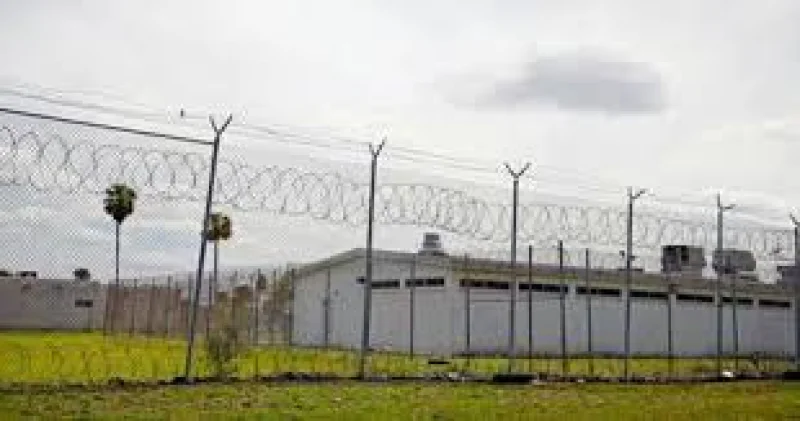
Jeffrey Epstein was arrested at Teterboro Airport on July 6, 2019, after returning from Paris, then died 35 days later while being held at the Metropolitan Correctional Center in Lower Manhattan. By the time a guard found him unresponsive on Aug. 10, 2019, the case had already become a stark record of how fast a federal arrest can end in a death that still divides the public.
The arrest came late in the afternoon, after about a dozen F.B.I. agents and New York Police Department officers gathered at the airport in New Jersey. Customs agents boarded the plane to check the passports of Epstein and the two pilots, and an F.B.I. agent and a detective told him he was under arrest. As agents drove him to Manhattan, Epstein asked, “Is this sex trafficking?” and “Is this about underage?” He also sent Stephen K. Bannon a final message: “All canceled.”
Federal prosecutors had opened a new investigation into Epstein eight months earlier, and he had been indicted under seal on charges of trafficking minors for sex while he was abroad. If convicted, he faced up to 45 years in prison. That was a far sharper exposure than the 13 months he had served in Palm Beach after a plea deal in 2008, and it helps explain why his arrest drew immediate attention far beyond the courtroom.

What happened inside the jail matters because one of the first people to see him there did not think he looked stable. Elba Torres, a jail employee, wrote that Epstein appeared “distraught, sad and a little confused” and later said he seemed “dazed and withdrawn.” She asked for Psychology to talk with him “so just to be on the safe side and prevent any suicidal thoughts.” The unanswered question is why that warning did not produce a different custody response.
Epstein was booked into federal custody and identified by Bureau of Prisons number 76318-054. On Aug. 10, 2019, he was found hanging from a noose made from orange jail fabric. The New York City medical examiner ruled the death a suicide, but seven years later many people still believed he was murdered even as they disagreed about little else. That split kept the case alive long after the jail doors closed behind him.
The fight over the file did not end there. In November, Congress passed the Epstein Files Transparency Act with bipartisan support, and that move has already led to disclosures. The remaining issue is not whether Epstein’s arrest and death were connected by a brief, fatal span of custody; it is how much of the record will finally come out, and whether the material released can settle a case that has resisted closure from the start.
