


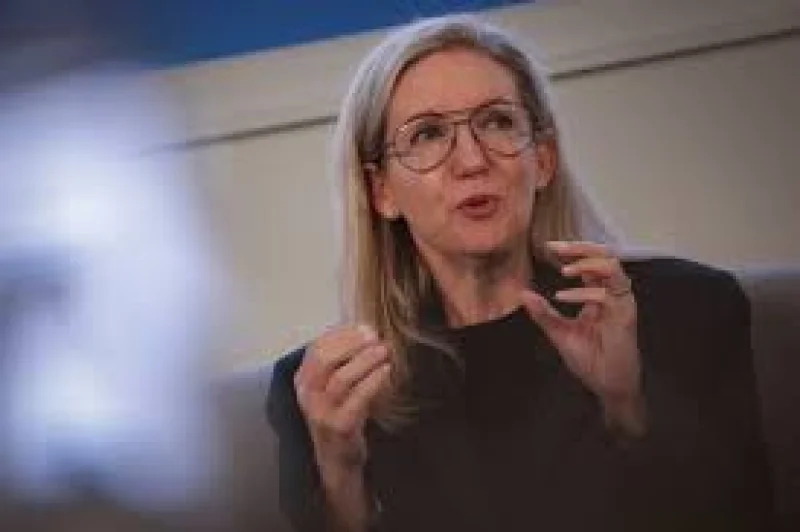
Cracker Barrel's stock surged nearly 37% last week after Julie Felss Masino told investors customers were coming back and the company had already stepped away from the remodeling push that triggered the backlash. The move gave Wall Street a fresh reason to buy into a chain that had spent months trying to calm angry diners and skeptical shareholders.
The timing matters because Masino had been selling a very different story only weeks earlier. On Aug. 19, 2025, when she appeared on Good Morning America in her LIB glasses, she told Michael Strahan that the feedback was overwhelmingly positive. By Sept. 9, Cracker Barrel was admitting it had made a major marketing mistake and would stop the changes she had defended on television.
That reversal came after the criticism had already hardened. OutKick warned on June 21, 2025 that furious customers said Cracker Barrel had been white-washed with a cold new look, and the debate only grew louder after the company's Aug. 22 pop-up event in New York City's Meatpacking District, with awkward line dancing, TikTok influencers eating new menu items at a fancy table in the middle of the street, and a country singer performing for locals. The company was not just trying to sell a new menu; it was testing whether it could repackage a familiar brand without losing the customers who gave it value in the first place.
The stock move also helps explain the scale of the damage and the relief. Cracker Barrel shares fell 53% from Aug. 21 to Dec. 31, a collapse that shows how much credibility was lost after the logo fight and the remodeling plan collided with public backlash. A rise of nearly 37% in one week does not erase that damage, but it does suggest investors are now pricing in a better chance that the brand has stopped fighting its own customers.
Still, the question is not whether the company has changed course. It has. By November, Julie's team was recruiting Glenn Beck to interview her over a meal at a Cracker Barrel as a marketing reset, a sign the company knew it needed a different tone after the earlier misfire. The harder question is whether last week's rally reflects real customer recovery or simply investor relief that the chain finally backed away from a strategy that had become impossible to defend.
