


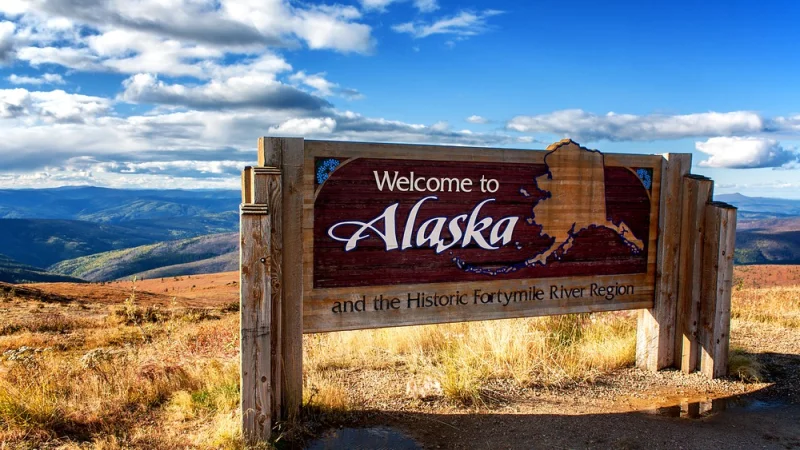
The Interior Department’s first lease sale of Donald Trump’s second, nonconsecutive term in the Arctic National Wildlife Refuge drew just two bidders on June 5 and produced about $3.7 million in winning bids.
That outcome is drawing attention because the sale covered nearly 679,000 acres in the Coastal Plain of the refuge, a stretch that Congress opened to drilling in 2017 and that has since become a test of whether companies actually want to move into one of the most remote federal lands in the United States.
Hex Energy and the Alaska Industrial Development and Export Authority were the only bidders. Exxon Mobil and ConocoPhillips stayed out, a notable absence given that the largest names in the sector were present in the market when federal leasing looked far more promising. The math is stark: $3.7 million is a tiny sum beside the nearly $250 billion generated by the March lease sale in the National Petroleum Reserve in Alaska.
The refuge itself covers nearly 20 million acres and sits more than 600 miles from Anchorage, with no established roads, trails or facilities inside it. That isolation has long helped keep it largely untouched by the oil and gas industry, even as drilling in the area was first authorized through the Republican Tax Cuts and Jobs Act and Trump approved nine lease sales there during his first administration.
The political history is as jagged as the terrain. Seven of those lease sales were suspended by Joe Biden, while the remaining two were later canceled by bidding companies. The Biden administration also imposed strict leasing requirements and blocked drilling on 1.2 million acres of the Coastal Plain, limiting what could actually be offered even after the policy was reopened.
That is why the reaction around the refuge is so split. Residents of the sole village in the northernmost part of the refuge are welcoming possible drilling projects as a source of economic growth, while environmentalists, climate activists and some native groups have spent years trying to stop development there. The June 5 auction did not settle that fight, but it did show something else clearly: opening the refuge on paper is not the same as drawing serious industry interest.
What happens next is the question the weak sale leaves hanging. Without a stronger response from Exxon Mobil, ConocoPhillips or other major producers, the refuge could remain more a political promise than a commercial drilling frontier.
