


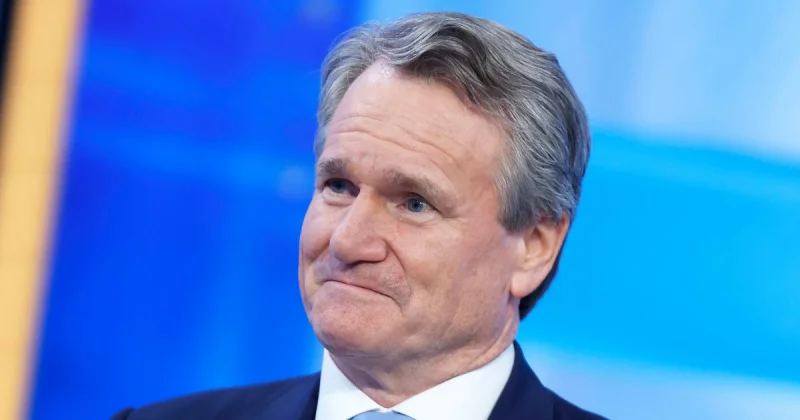
Brian Moynihan said the best place to judge the American consumer may be the pet food aisle. Speaking at the Forbes Iconoclast Summit, the Bank of America CEO argued that the way households buy for dogs and cats can reveal whether spending strength is still intact or starting to fray.
His point was simple and pointed: if you want to know how the American consumer is actually holding up, you might want to wander down the pet food aisle. He also said the real story of the economy is playing out in how people feed their dogs and cats. That is why his remarks are being watched now, as readers look for a clean signal on whether consumers are still resilient or finally under strain.

Bank of America Institute data backs up the example with internal card data covering billions of dollars in aggregate transactions. The numbers show that people are not stopping pet spending, but they are changing how they spend it. Consumers are moving down from premium boutique pet brands to grocery store kibble, a shift that fits a broader pattern of caution without collapse. Wages are still growing and unemployment is low, which helps explain why spending has not fallen off a cliff.
The regional split is where the picture gets sharper. Households in Seattle and San Francisco spend more than 30% above the national average on their pets, while cities across the American South come in below average. That suggests discretionary budgets are being squeezed differently depending on local costs, with higher-cost coastal cities showing more pressure even when the national consumer still looks stable.
There is still a contradiction inside the story Moynihan is telling. The consumer is resilient, and spending remains steady, but the casual, careless spending of the post-pandemic era is officially dead. Over the last few years, prices for pet food and veterinary services skyrocketed, and shoppers have responded by hunting for cheaper options rather than pulling back entirely. What remains unanswered is how much of that shift is a reaction to higher prices and how much is a lasting change in taste, but the direction is clear enough: the consumer is still spending, just with a tighter hand.
