


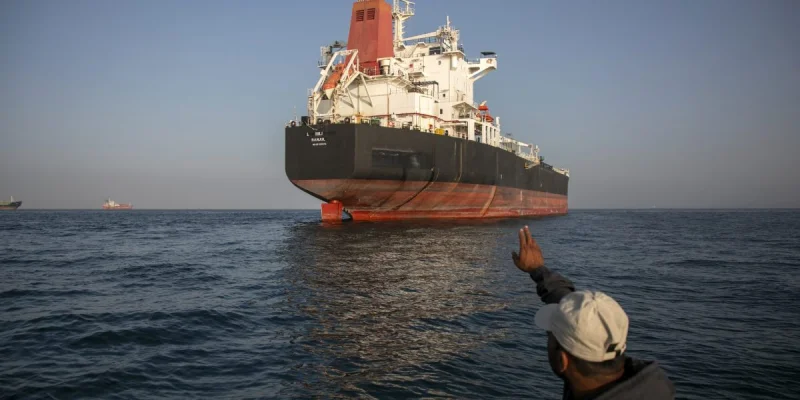
Oil price held near $94 a barrel on Wednesday, even after Donald Trump said Iran will “pay the price” for its laggard progress in brokering a peace deal. That level was still below $104 a barrel from a month earlier, a reminder that the market has not moved the way analysts once feared it would.
For traders searching for the reason, China is the main answer. Its imports dropped from about 11 million barrels a day on average over the last five years to roughly 7.8 million barrels a day in May, the lowest level in nearly a decade. JPMorgan analysts said that reduction accounted for about 74% of the world’s decline in global crude oil trade, and Societe Generale called China the market’s “key rebalancing force.”
That matters because the early expectation in the Iran war was not a calm market at all. Analysts initially thought crude could break above $200 a barrel. Instead, it has hovered around $94, with China’s lower buying and large stockpiles helping absorb part of the shock. China’s total strategic oil stockpiles were said to be touching 1.4 billion barrels, giving it room to lean less on imports while prices stay elevated.
The catch is that this cushion is not limitless. Michal Meidan said Chinese stakeholders appeared to have correctly guessed how much oil they need to keep economic operations running, but he also raised the harder question: how low can imports and refinery runs fall before China has to draw on stocks more meaningfully or return to buying crude even at higher costs? He also asked what that would mean for product supplies and whether coal-to-chemicals can offset the loss of oil-based chemicals.
That question sits against China’s own recent memory of strain. It went through an energy crisis in late 2021, when a global coal shortage, losses at Chinese power companies and capped electricity prices led to power plant shutdowns and severe outages. Since then, China has invested more in electrification, oil reserves and coal reserves, and the current buying pattern suggests those buffers are now doing real work. Societe Generale also noted an apparent willingness for the U.S. to continue exporting oil, as well as evidence that the Strait of Hormuz is allowing more passage to shipping vessels than first estimated.
Even so, the risk has not disappeared. Societe Generale said the Strait of Hormuz disruption has cut about 14% of global crude supply and lifted prices by about 30%, far less than the more than 130% jump that followed the 1973 OPEC oil embargo, when only 7% of global crude supply was disrupted. The gap helps explain why prices have not exploded, but it also shows how much of the market is now leaning on China’s restraint. The next move will depend on whether China keeps drawing down on reserves and lower imports, or is forced back into the market while the war is still unsettled.
