


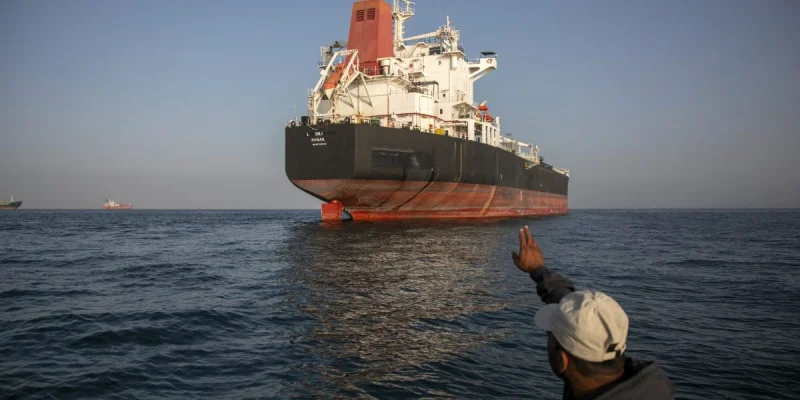
Oil prices held around $94 a barrel on Wednesday, far below the $200 level analysts once feared early in the Iran war. The pause in the market has come even after Donald Trump said Iran would “pay the price” for its laggard progress in brokering a peace deal.
That matters because traders entered this conflict expecting a far uglier break in supply, yet prices were still below $104 a barrel from a month earlier. JPMorgan analysts said prices had become remarkably calm as the conflict entered its fourth month, a sign that the market has been steadied by forces outside the fighting itself.
The biggest of those forces has been China. Its plummeting imports have effectively shielded oil prices from rising further, and JPMorgan said China’s import reduction made up about 74% of the world’s decrease in global crude oil trade. In May, China imported about 7.8 million barrels a day, down from roughly 11 million barrels a day on average over the last five years, its lowest level in nearly a decade.
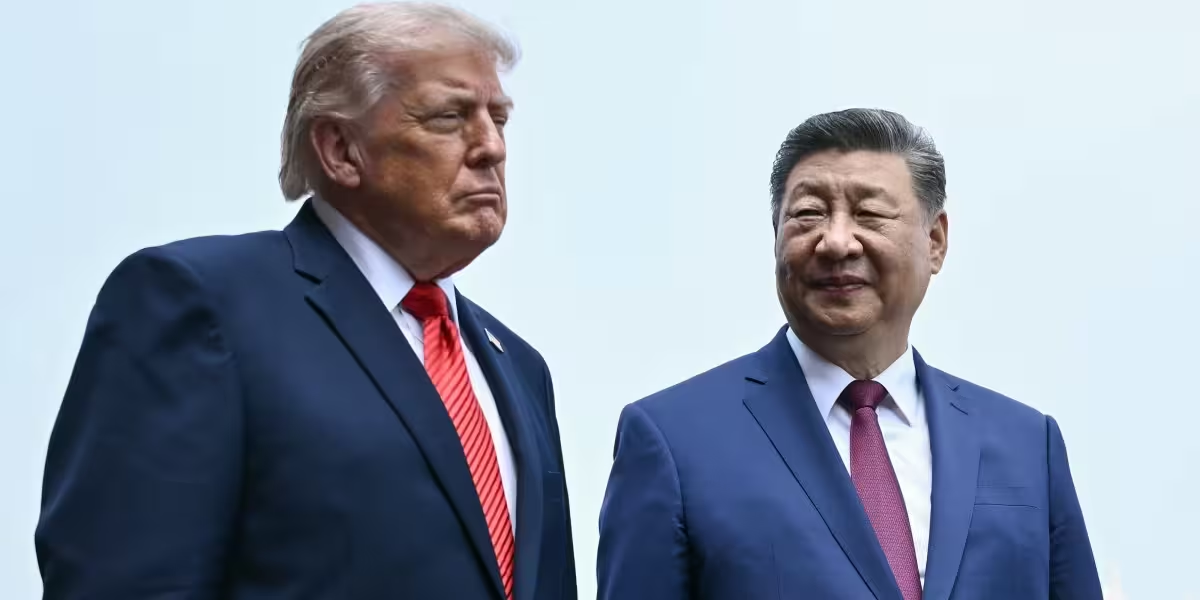
China’s stockpiles also give it room to wait. Total strategic oil reserves touched 1.4 billion barrels, allowing Beijing to lean on stored crude while its demand slows and its buying shifts. Michal Meidan has framed the problem in practical terms: how low imports and refinery runs can go before China must tap those stocks more meaningfully or resume crude buying at higher cost. That question is now at the center of the market.
The pressure point is still real. An effective closure of the Strait of Hormuz would affect about 20% of the world’s oil supply, and Societe Generale said the current 14% loss in global crude supply from the closure has increased prices about 30%. Yet the surge has not matched the fear. Societe Generale compared it with the 1973 OPEC oil embargo, when 7% of global crude supply disruption pushed prices up by more than 130%.
Mike Haigh and other Societe Generale analysts called China the market’s key rebalancing force on Monday, and they pointed to two other counterweights as well: a willingness for the U.S. to keep exporting oil and evidence that the Strait of Hormuz is allowing more passage to shipping vessels than first estimated. Michal Meidan has also said Chinese stakeholders appear to have guessed correctly how much energy they need to keep the economy running, after China’s late 2021 energy crisis, when a global coal shortage, losses at power companies and a cap on electricity prices helped trigger severe power outages. Since then, China has poured money into electrification, oil reserves and coal reserves.
The unresolved question is how long China can keep using those buffers. If imports stay weak and refinery runs stay restrained, oil prices can stay calmer than the war’s early warnings suggested. But once China has to buy more crude again, the market loses the cushion that has held it below the levels many thought possible.
