


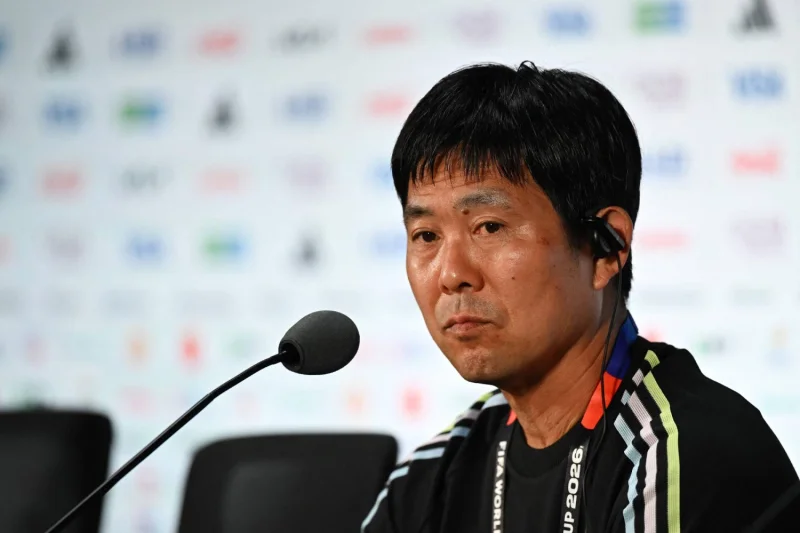
Hajime Moriyasu said on Saturday that he took responsibility for the decision that sent Wataru Endo out of the World Cup squad. Two days after Endo withdrew because of an ankle injury, Moriyasu told reporters through an interpreter that the call was ultimately his.
That matters because Endo had been the Japanese captain when he left the tournament, turning a medical setback into an immediate problem for the team and its coach. Once a captain is forced out, the burden does not stay with the player alone; it lands on the person making the selection, and Moriyasu made clear that he was prepared to own it.
Endo’s withdrawal came two days before Saturday, after an ankle injury ended his place in the squad. The injury details were not spelled out, but the result was plain enough: he could not continue, and he then announced his retirement from international competition altogether. For Japan, that left a vacancy at the center of the side just as the World Cup moved on without one of its key figures.
The difficult part for Moriyasu was not only the loss itself but the fact that the choice had to be made under pressure and in public. He did not shift blame or dress it up as a shared inevitability. He said it was ultimately his responsibility, a statement that leaves the coach carrying the decision even as the player’s ankle injury set the chain in motion.
Moriyasu’s remarks on Saturday, delivered through an interpreter, also closed the gap between Endo’s exit and the public accounting that followed. The sequence now stands clearly: an injured captain left the World Cup squad, retired from international competition, and drew a coach willing to say the final call was his. What remains unanswered is whether Japan can absorb that loss cleanly, because the team has already moved past the moment when Endo might have stayed.
