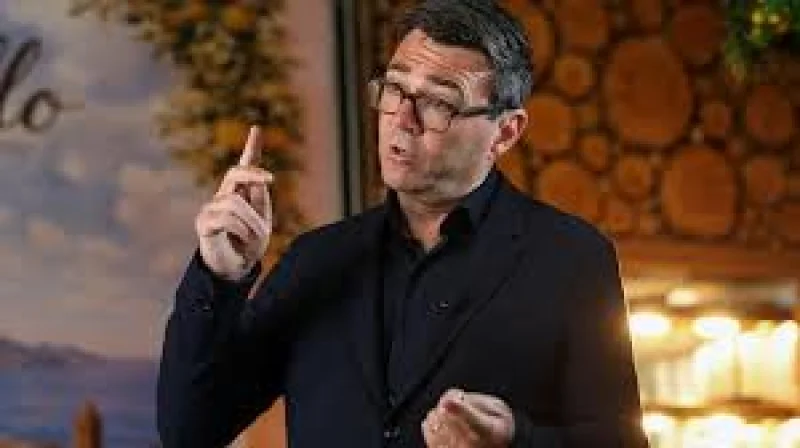
Andy Burnham is standing as Labour’s candidate in the Makerfield byelection next week, and he is doing so with a second ambition plainly in view: if he wins the seat, he will be back in parliament. That makes the contest more than a local fight for Labour. It is now a test of whether one of the party’s best-known figures can turn a working-class seat into a route back to Westminster.
The timing has sharpened the stakes. John Healey and his deputy resigned from the heart of government this week, deepening an anti-Westminster mood that Labour can ill afford to ignore as it tries to hold a historically loyal seat. Burnham, the Greater Manchester mayor, has not tried to hide the larger prize. He presents himself as Labour-but-not-this-Labour: loyal enough to stay inside the tent, dissident enough to argue the party needs a different tone and a bigger argument about what it stands for.
That is why supporters have cast his return in broader terms. editorial argued that the country would benefit from Burnham’s return to parliament, saying his radicalism on constitutional reform, electoral reform, public control and spending would widen Labour’s debate. It also gave his politics a sharper edge than much of the current government is comfortable with, arguing that there needs to be change.

The contest reaches beyond personality. Burnham’s pitch is being measured against Nigel Farage and Rupert Lowe, whom the editorial described as conduits for a politics of paranoia and racialised resentment. In that world view, immigration is framed as an invasion. The argument in Makerfield is whether Labour can answer anger without copying its uglier language, and whether Burnham’s version of Labour can sound like change without sounding like retreat.
That matters in Makerfield because the place has changed as much as the politics around it. Its coalmining heyday is long gone. The Lancashire pits George Orwell wrote about in The Road to Wigan Pier have closed, and warehouses and logistics hubs now sit where the old economy once stood. Many voters in the area work hard, but do not feel secure. The byelection next week is being read as a test of Burnhamism, and of whether Labour can recover the language of change in places where Reform and Restore Britain have claimed the language of anger.
Sir Keir Starmer has argued that governing is about trade-offs. The ministers who resigned this week said the government is too timid and its politics largely performative. Burnham is trying to occupy the gap between those two charges, offering himself as a Labour figure who can speak to insecurity without scapegoating minorities and without sounding like the party machine. Whether that appeal is enough to win Makerfield and send him back to parliament is the question that will be answered next week, when Labour finds out whether its most interesting dissident can also deliver the seat.