


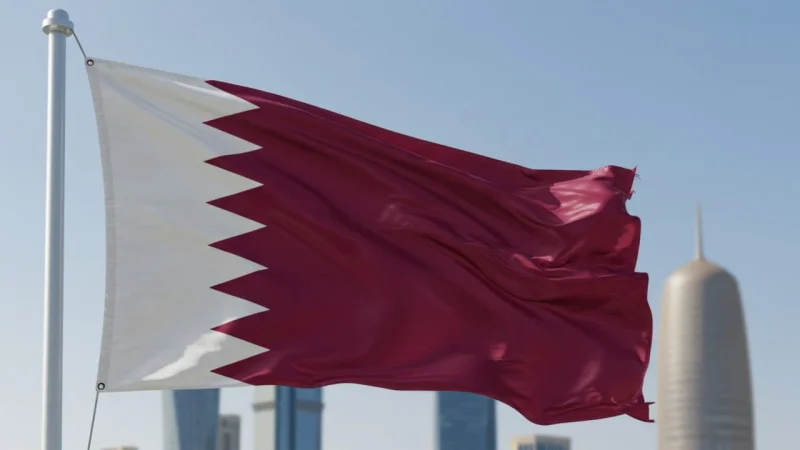
Quatar offered Iran a secret bargain before the war with the United States and Israel: halt gas production, and Tehran would spare its energy infrastructure. The aim was to keep the Ras Laffan gas complex out of the line of fire, but the plant was hit anyway in March and badly damaged.
The proposal now matters because Saad Sherida al-Kaabi says repairs to the facility will take three to five years, a delay that could hang over global gas markets long after the fighting eases. Al-Kaabi said the strikes were an attack on global energy security and stability, a description that fits a plant central to Qatar’s export economy and to the wider energy system that depends on it.
Qatar’s reported message to Iran was blunt: you will achieve your objectives without striking us. The idea was that a shutdown at Ras Laffan would push global energy prices higher and increase pressure on the United States and Israel to stop the war. But Qatar said it never got any confirmation from Iran and later denied the deal existed at all, saying the plant closure in early March was driven only by security and safety concerns.

The denial leaves the sharpest fault line in the story intact. Qatar’s international media office called any suggestion that production decisions were made in coordination with Iran “categorically false” and said the reporting was meant to sabotage mediation efforts, damage Qatar’s reputation and undermine its strategic partnership with the United States. Yet one Qatari official also said Doha had urged Iran not to attack in general, while warning that any such arrangement would have created a very dangerous precedent. The same official described Iran as a threat long before the Islamic revolution.
Former US ambassador to Qatar Timmy Davis said the country has been in survival mode since the Israel-Hamas war began. “Last year they were attacked by Israel,” he said. “This year, they are being attacked by Iran.” That sequence helps explain why Doha was looking for room to maneuver, even as officials later said intelligence pointed to communications between unnamed Iranian officials about the arrangement.
The broader risk is that Ras Laffan was not just a local target. It sits at the center of Qatar’s gas industry, and the March attack that damaged the plant was followed later in the month by a second Iranian strike on Qatari energy infrastructure after Israeli attacks on Iranian energy assets. Whether Tehran ever seriously weighed the offer remains unknown, but the damage already done suggests Qatar’s attempt to buy safety through energy leverage did not hold when the war widened.
