


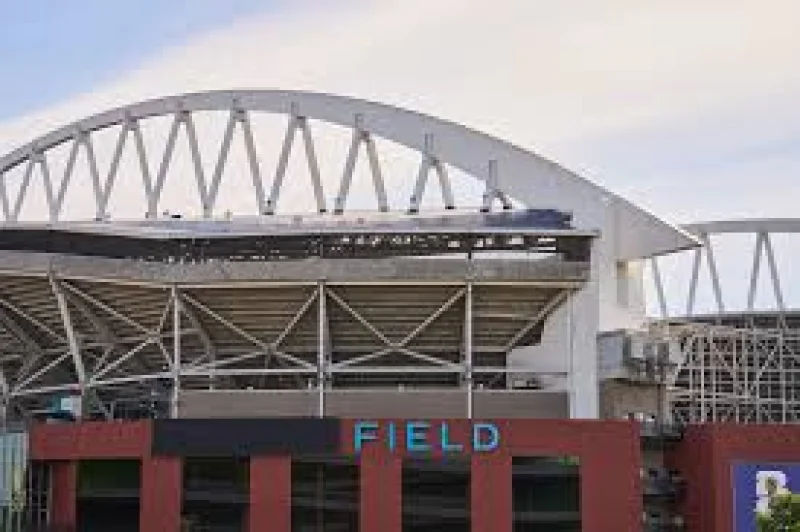
FIFA’s World Cup branding rules are set to strip U.S. stadium sponsors of up to $134.8 million in global media exposure, according to a new projection that measures the value of naming rights from the San Francisco Bay Area Stadium to Atlanta and Dallas. The policy requires every venue to be free and clear of existing commercial branding during the tournament, forcing stadium names off broadcasts, digital coverage and other World Cup-related visibility.
Kevin Kane, who said he is a diehard Fulham F.C. fan and has spent more than two years in London working with the company’s multiple European soccer clubs, said the loss is landing now because the World Cup is about to put those venues in front of a huge audience. MetLife Stadium alone will host eight matches, including the final, and Navigate projects it will lose nearly $20 million in worldwide exposure. Kane said the stadium could generate slightly more than 100 million U.S. television viewers from those games, making the tournament inventory worth roughly one-third of the annual U.S. value tied to the naming-rights package.
The hit is not spread evenly. Navigate projects AT&T will forgo approximately $18 million, while at least six brands are expected to lose the equivalent of their average annual naming-rights payment. MetLife pays an annual average of $18.5 million under its 25-year naming-rights deal, and Kane said the projected loss for AT&T is nearly the average annual cost of its stadium naming-rights deal with the Dallas Cowboys. Mercedes-Benz is the only naming-rights partner whose primary headquarters are not based in the U.S., though its North American operations are 15 miles from the Atlanta stadium that bears its name.
The analysis also points to a mismatch between what fans will see and what sponsors are losing. Stadium signage is not usually prominent in World Cup broadcasts, Kane said, so the value loss is not driven by visible signs on television. Instead, he said, most of it comes from the absence of the naming-rights partner in on-air verbal references, social media posts, digital content, news coverage, highlight packages and other earned media. Fox and Telemundo will refer to the stadiums by FIFA-designated city names, while.com lists the venues with their branded names.
Navigate based its projections on earned media, social media and broadcast exposure from past World Cups, where announcers’ verbal mentions carried the biggest payoff. Kane said FIFA data shows host countries typically see a 50% increase in viewer numbers, and Navigate projects a 30% to 40% increase from 2022’s almost 26 million viewers, with finals viewership potentially reaching 50 million. That is why the de-branding rules matter: for some sponsors, the World Cup exposure they lose is close to the value they pay for an ordinary year of naming rights, and the tournament will make that cost hard to ignore.
