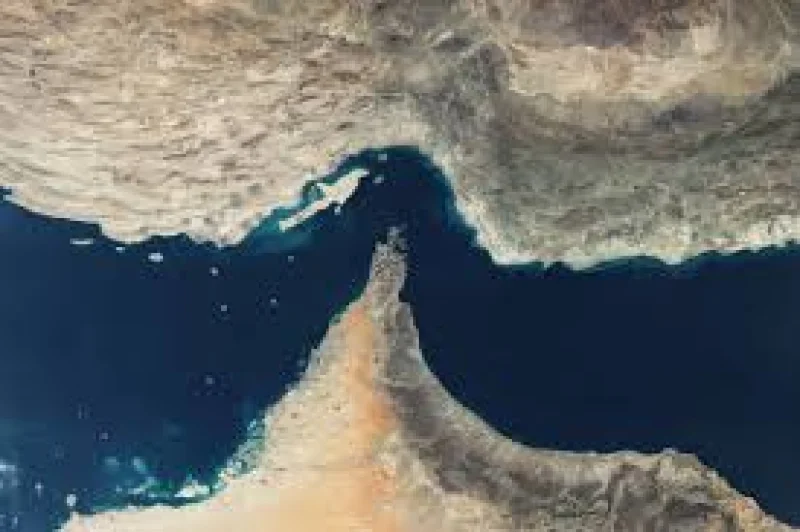
US forces shot down multiple Iranian one-way attack drones early on Saturday in the Strait of Hormuz area, a sharp military move in the middle of talks that both Washington and Tehran said were moving forward. US Central Command said the drones were trying to hit commercial vessels, and that the international trade corridor remained open for transit.
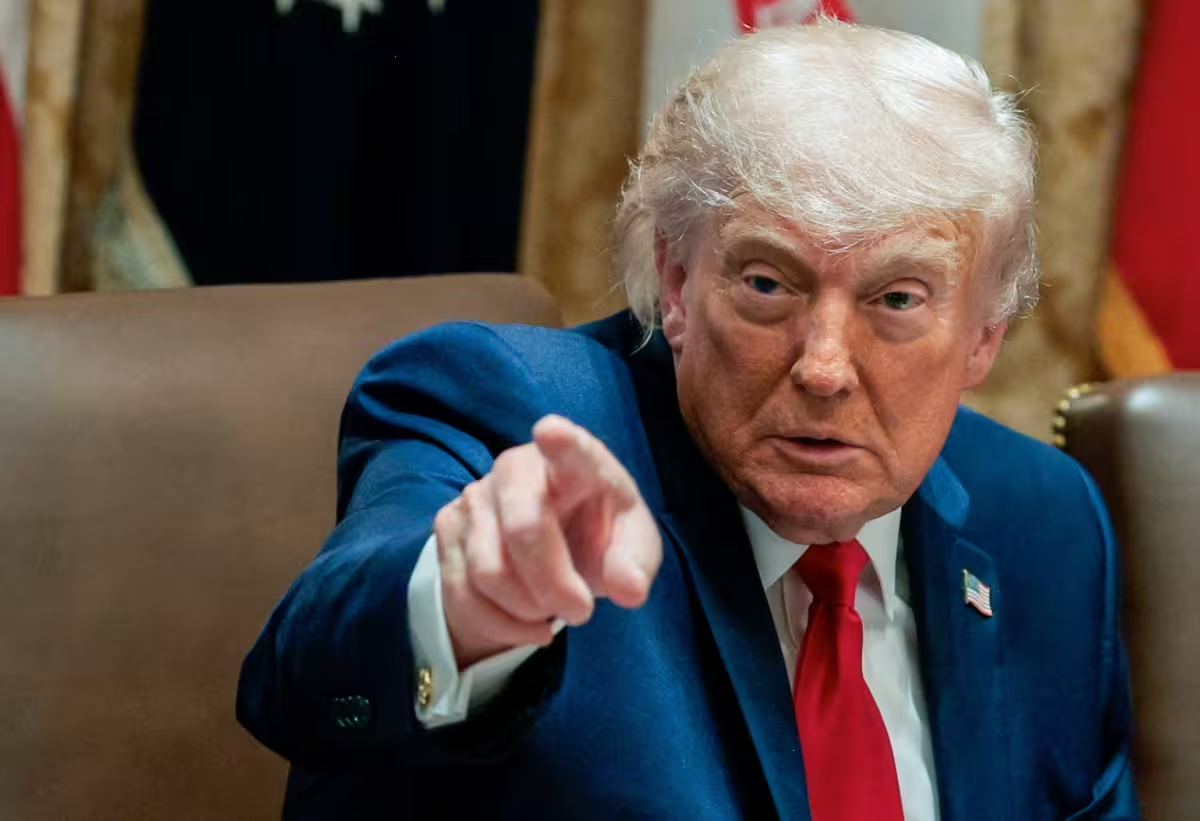
The timing made the strike harder to ignore. Earlier on Friday, Donald Trump warned Iran against firing more drones at ships attempting to move through the strait, then later reposted a message from Iranian Foreign Minister Abbas Araqchi saying a memorandum of understanding to end the Iran war had never been closer. Trump has also said the interim deal includes Iran giving up its nuclear programme.
Araqchi repeated on Iranian state TV that the memorandum of understanding was “never been closer,” but he drew a line around the nuclear file. He said the agreement did not include anything about Iran’s nuclear programme and said nuclear talks with the US would only happen at a later stage. He also said transit through the Strait of Hormuz would be under Iranian management, and that ending the war in Lebanon was part of the interim deal.
That is where the gap opens. Trump and Araqchi are talking about the same diplomatic track, but they are not describing the same deal. One says nuclear concessions are on the table now; the other says they are not. One presents the strait as a subject of Iranian management; the other is focused on keeping commercial shipping moving through a corridor that carries much of the world’s trade.
Switzerland has offered to host a signing ceremony, and Araqchi said the document would be signed digitally with each side signing remotely. But the shape of the agreement still appears unsettled, even as the rhetoric has turned more confident and oil prices have already fallen, with Brent crude dropping to $87.33 a barrel on Friday. If the memorandum is signed, the next fight will be over what is actually in it.