


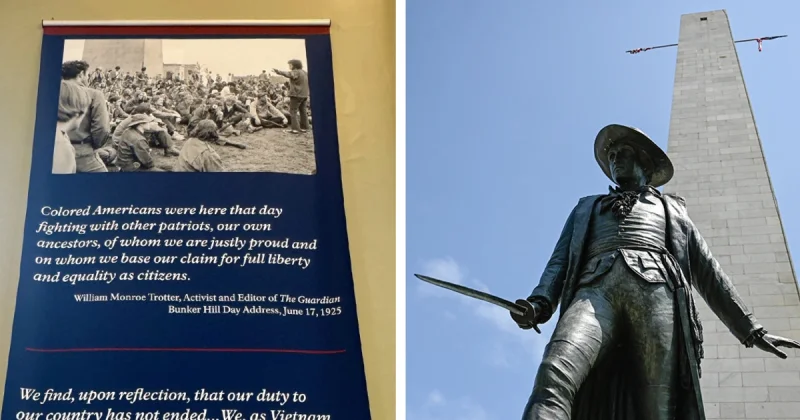
A federal judge in Massachusetts ordered the Trump administration to put back history and science materials that were removed from public monuments and park sites, giving the government 21 days to comply. U.S. District Judge Angel Kelley said the removals had gone too far and marked a dangerous precedent of censorship and sanitization.
The ruling lands now because it puts an immediate deadline on a dispute over what visitors are allowed to learn at national parks. Donald Trump signed the March 2025 executive order titled "restoring truth and sanity to American history," and the order directed the interior secretary to review monuments, memorials and statues altered after January 2020 for what it described as a false construction of American history. That review led to signs and interpretive materials being taken down at sites that referred to slavery, civil rights, Indigenous history and climate change.
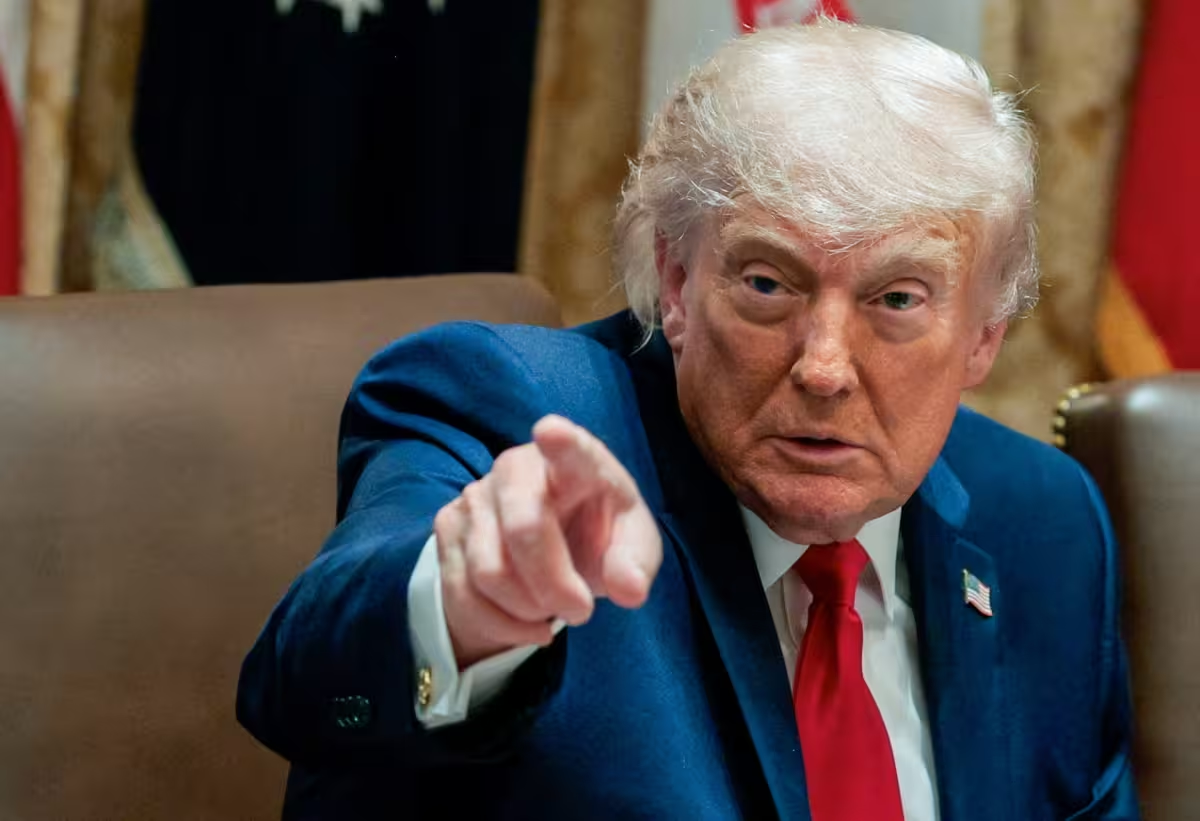
Emily Thompson said national parks exist to preserve and interpret the full American story, not just the parts that make some politicians comfortable, and said the ruling would help ensure that remains the case. Alan Spears said Americans count on parks to help them understand the country's full, rich history, with stories of triumph and tragedy alike told out loud. The judge's order gives that principle legal force for now.
The case was brought in February by conservation organizations, including the National Parks Conservation Association, the Association of National Park Rangers and the American Association for State and Local History. One of the items flagged for possible removal was a Georgia monument called The Scourged Back, a reminder that the dispute was never just about generic signage but about specific pieces of historical interpretation. The administration has framed the effort as a defense of American dignity, while Kelley said it was being used to share a limited history and to tell half-truths by stripping away material that did not fit a preferred narrative.
What remains unresolved is which signs, displays and interpretive exhibits must come back at each affected site. For now, the administration has 21 days to restore the material, and the ruling leaves little room for delay.
