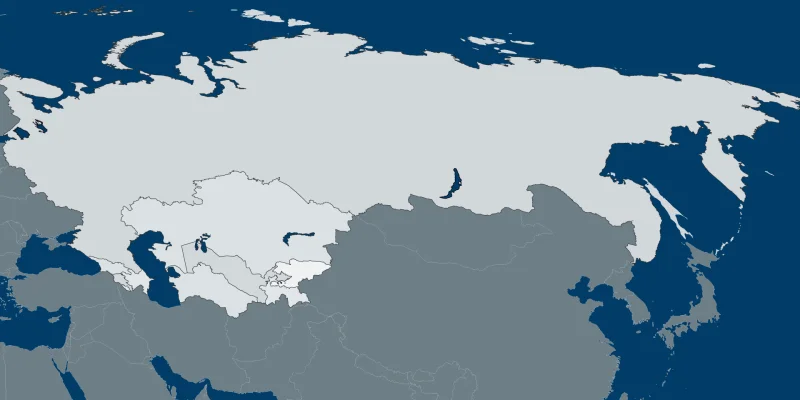
The Kremlin is confronting a succession crisis in Chechnya after Ramzan Kadyrov was reported to be suffering from a serious illness that could remove him from the scene at any moment. The 49-year-old ruler has spent 22 years in power, and the question now is who, if anyone, can hold his system together when he is gone.
That question has sharpened because Kadyrov’s favored successor is his 18-year-old son Adam. The problem is obvious: Adam is too young to assume the throne, even if Putin wants to keep the family in place.
Chechnya matters because it is not just another Russian region. It is a North Caucasus republic with a long record of generating turmoil far beyond what its tiny size would suggest, and the Kadyrov rule has been built to prevent exactly that kind of disorder. Some have even dubbed Ramzan Kadyrov the Kim Jong Il of the Caucasus, a nod to the personalist grip he has maintained over the republic.
The timing is especially fraught in Moscow. On June 3, guests at Putin’s showcase forum in St. Petersburg woke to blazing fires from Ukrainian drones, a reminder that the war is increasingly landing on the Russian heartland. The conflict in Ukraine has now lasted longer than the Soviet Union’s war against Nazi Germany, the Russian economy is showing serious signs of strain and China has made clear it will not provide unlimited support.
Those pressures make Chechnya harder, not easier, to manage. Putin could try to preserve the Kadyrov family in power by letting Adam exercise only nominal control under a trusted ally or even a regent from Moscow, but that arrangement would underline how fragile the handoff really is. If Ramzan Kadyrov leaves suddenly, the Kremlin may have only imperfect options: keep the family as a symbol, or risk opening a republic with a history of upheaval at the worst possible moment.