


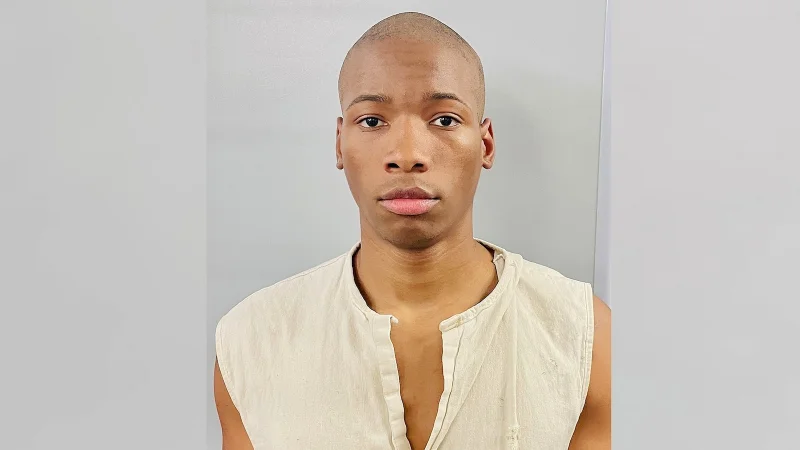
Karmelo Anthony was sentenced Tuesday to 35 years in prison after a jury found him guilty of murder in the fatal stabbing of Austin Metcalf at a track meet when both were 17 years old. The punishment closes one of the most closely watched criminal cases in the Dallas suburb of Frisco and leaves the Metcalf family marking a verdict that came years after Austin died shortly after being stabbed in the chest with a folding knife.
Jeff Metcalf, Austin’s father, spoke after the sentencing and said he thinks Anthony should have been held to account more fully, putting the loss back at the center of a case that has been followed far beyond Collin County. The verdict landed on a day when people searching the name Jeff Metcalf were trying to understand what the family had to say after the sentence and how the courtroom result fit a dispute that has already spilled into public life.
The case became a racial flashpoint in Frisco long before Tuesday’s sentence. Supporters of both men clashed outside the Collin County Courthouse, and one woman held a sign that read, “Austin: Say His Name.” Outside the courthouse, the anger was matched by a flood of misinformation online, including fake autopsy reports and a fake social-media account impersonating the Frisco police chief. A legal-defense fundraiser also pulled in hundreds of thousands of dollars, turning a local homicide trial into a national talking point.
Anthony’s lawyers argued he acted in self-defense after being physically confronted by a larger member of the opposing track team. Prosecutors said he intentionally escalated what began as a mild confrontation before stabbing Metcalf. That split — self-defense on one side, deliberate escalation on the other — helped make the case a magnet for commentary from public figures, including Cardi B and Rep. Jasmine Crockett, who said race “absolutely” played a role in the verdict. The reaction only deepened the divide around a trial that was already being argued in court, on social media and on the sidewalk.
Anthony was tried as an adult under Texas law, and Tuesday’s sentence gives the case a new endpoint even as the fallout continues. The larger question now is not whether the jury believed the killing happened, but how much more public pressure, online rumor and political noise this case can absorb before it fades from the center of the argument.
