


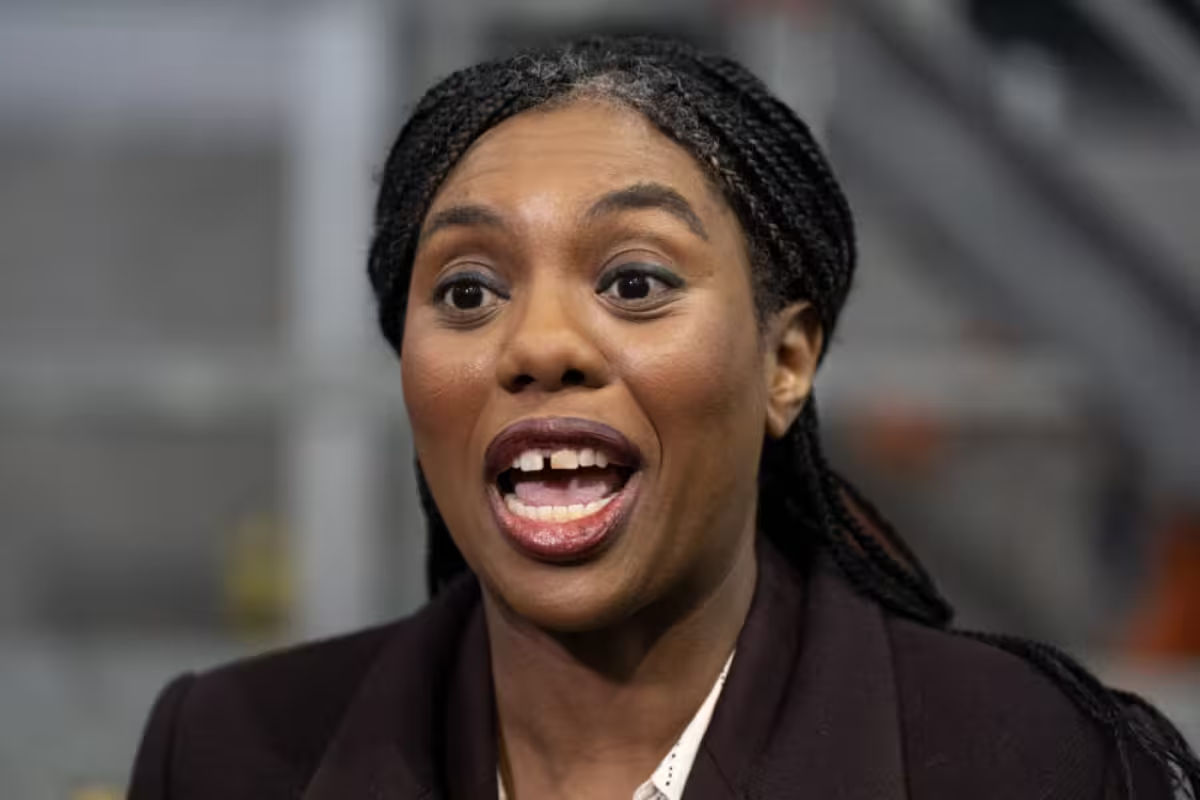
Kemi Badenoch accused Sir Keir Starmer of dithering over defence spending on Wednesday, pressing him in the Commons to rule out tax rises as the government wrestles with how to pay for a major Ministry of Defence funding boost. The Conservative leader said the prime minister was paralysed by Labour MPs' reluctance to cut back what she called bloated welfare spending.
The dispute is landing now because the defence investment plan, delayed since last autumn, is expected to set out how new equipment and defence infrastructure will be funded over the coming decade. Publication has slipped after the MoD reportedly asked for an extra £28bn over the next four years, with reports saying the prime minister is preparing to unveil a further £13.5bn after negotiations with the department.
Badenoch used Prime Minister's Questions to push Starmer for a clear answer on who would pay. He did not give one. Instead, she said the government had only three choices: cutting spending, more borrowing, or higher taxes, and argued the reason he was dithering was that he did not know where the money was coming from. She also pointed to comments from Rachel Reeves on Tuesday that government borrowing cannot always be the answer.
The row is not just about numbers. It is about whether Labour is willing to make the political trade-offs that come with a larger military budget, and whether taxpayers will end up covering the bill. Badenoch said ex-Labour defence secretary Lord Robertson had suggested cuts to benefits as one route to fund extra defence spending, sharpening the pressure on Starmer to spell out which part of his own party would pay the price.
While the money question stayed unresolved, Parliament added another layer of friction over timing. Speaker Sir Lindsay Hoyle warned ministers against publishing the plan when MPs are away, saying it would be an utter disgrace for members not to be able to question ministers immediately if the government released it while Westminster was empty. After a meeting with the Australian defence and foreign ministers, John Healey suggested the plan would not appear this Friday, saying he was a parliamentarian before he was a minister and that Parliament must be respected when major defence reports are published.
Starmer sought to turn the attack back on the Conservatives, accusing them of failing the armed forces during their 14 years in power and pointing to cuts to the Navy's minesweeping capabilities and missed Army recruitment targets. But the immediate problem for his government remains the same: the delayed plan is meant to define how Britain pays for defence over the next decade, and the decision on whether that means cuts, borrowing or higher taxes still has not been made. Starmer has said the plan will be published before a Nato summit next month, which leaves the government with only a short window to end the wait without deepening the row.
