


A large stretch of the United States was under severe weather risk Wednesday as thunderstorms organized over the Upper Mississippi Valley, the Midwest and parts of the Atlantic Coast, with forecasters warning that a few strong tornadoes, golf-ball-sized hail and damaging winds could strike through this evening.
Bill Bunting said the day would bring “an afternoon and evening of widespread thunderstorm development,” especially across the Midwest and down into parts of Oklahoma, where storms were expected to intensify as warm, humid air fed a cold front pushing eastward. He said the strongest storms could produce widespread damaging winds and large hail, and that concern for tornadoes would continue through the evening.
The National Oceanic and Atmospheric Administration said the active pattern was already spreading scattered to numerous thunderstorms across a broad area and was likely to stay busy for the next several days. Bob Oravec said the setup was being driven by a cold front moving east across the northern part of the country, with warm, humid air coming off the Gulf of Mexico colliding into it and helping fuel thunderstorms.
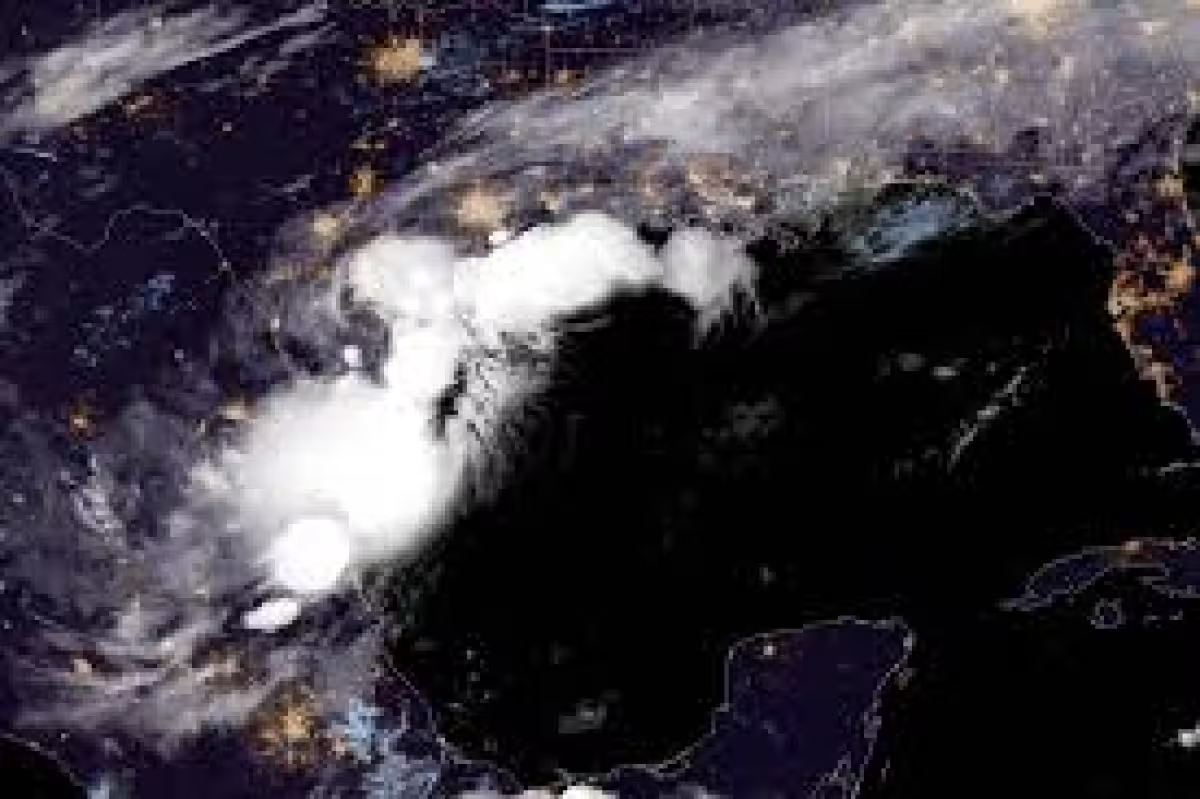
That collision is why the threat is so wide today. Oravec said the front will keep moving southeastward over the next several days, and Bunting said the air mass in place is “very warm, very moist, very sticky,” the kind of environment that makes the atmosphere more unstable and helps storms grow stronger. The risk is not confined to one corridor; it stretches across multiple regions, which is part of what makes the day unusual.
Forecasters also noted a built-in frustration for people trying to track the danger: the overall severe weather potential covers a larger area, but warnings are usually issued for much smaller zones once storms turn dangerous. That means a broad swath may be under threat while the actual tornado warning footprint can change quickly from one community to the next, as seen in recent storm days across Michigan and Kansas. Oravec said active thunderstorms along and ahead of the front can bring severe weather, flash flooding and dangerous lightning, even as the storm belt shifts location daily.
At least one more cold front is expected over the weekend, and Oravec said the risk of extreme weather could continue then, including in portions of the Central and Southern Plains. Bunting urged people to think about a severe weather plan before storms form and to sign up for weather alerts in their area. For now, the biggest question is not whether the pattern stays active — forecasters say it will — but which communities end up under the next warning line when the storms tighten and the tornado risk turns local.
