


President Trump said on June 4 that Ford and General Motors executives asked him for legislation that would make it harder for people to repair their own cars, a claim he aired during an Oval Office event that was supposed to focus on upgrades to coal-fired power plants. He said the meeting included Ford and GM leaders and Penske Corporation Chairman Roger Penske.
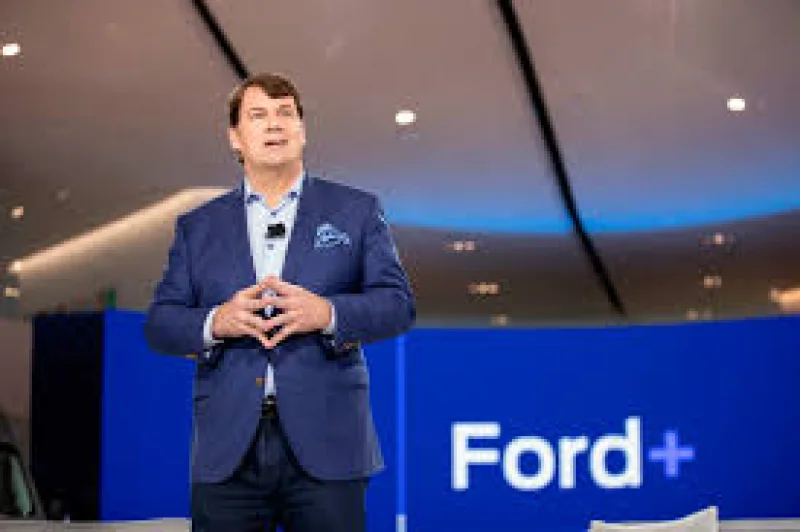
Jim Farley, Ford’s chief executive, was among the executives Trump identified. The remark put a fast-moving right-to-repair fight in front of the White House, where the stakes reach beyond automakers to owners, independent shops and consumer groups trying to keep repairs affordable as cars become more digital.
Trump said the request struck him as unusual. “I had never heard of such a thing,” he said, adding that he found the idea strange. He also said someone had received a seven-year prison sentence for repairing his own vehicle, though he offered no specifics to support that claim.

The immediate problem is that neither the White House nor the automakers have publicly named any bill or proposal that would do what Trump described. Vehicle owners are already legally allowed to repair their own cars, but modern vehicles rely on software, diagnostics and vehicle-generated data that can make even basic work harder to perform without the right tools.
That is where the dispute lives. Automakers say access to data and software can raise security and privacy risks. Independent repair shops and consumer advocates say broader access is necessary to keep repairs possible and costs down. Trump’s comments did not settle that argument; they instead raised a sharper one about what, exactly, Ford and GM may have discussed behind closed doors.
For now, the unanswered question is not whether the right-to-repair fight exists. It is whether any specific legislation was actually put on the table in the Oval Office, and if so, what it would have changed for drivers like the ones Jim Farley’s company serves every day.
