


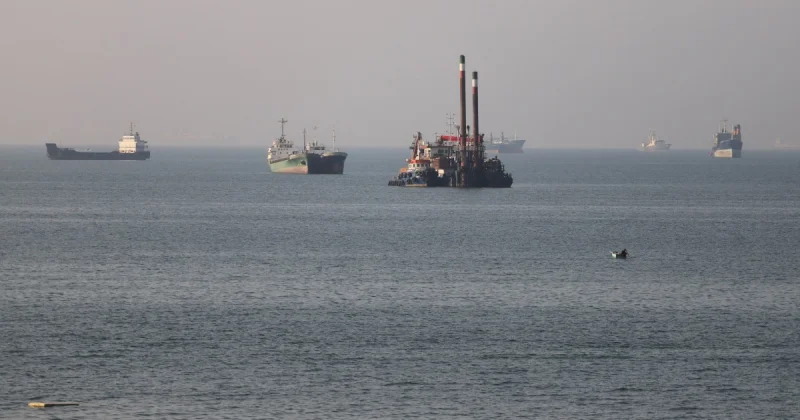
The United States and Iran traded fresh attacks on Tuesday after an American Apache helicopter went down while patrolling over the Strait of Hormuz, turning one military loss into a wider exchange that reached U.S. bases across the Middle East. U.S. Central Command said strikes launched against Iran yesterday afternoon ended shortly after 9 p.m. ET, and Iran answered this morning by targeting a number of American bases in the region.
The clash matters now because it unfolded in real time, with Washington and Tehran both framing the next move before the smoke had cleared. U.S. Central Command said the two helicopter crewmembers were rescued by an unmanned boat after the aircraft went down off the coast of Oman, but it did not say what damage the latest strikes caused or whether there were casualties on either side.
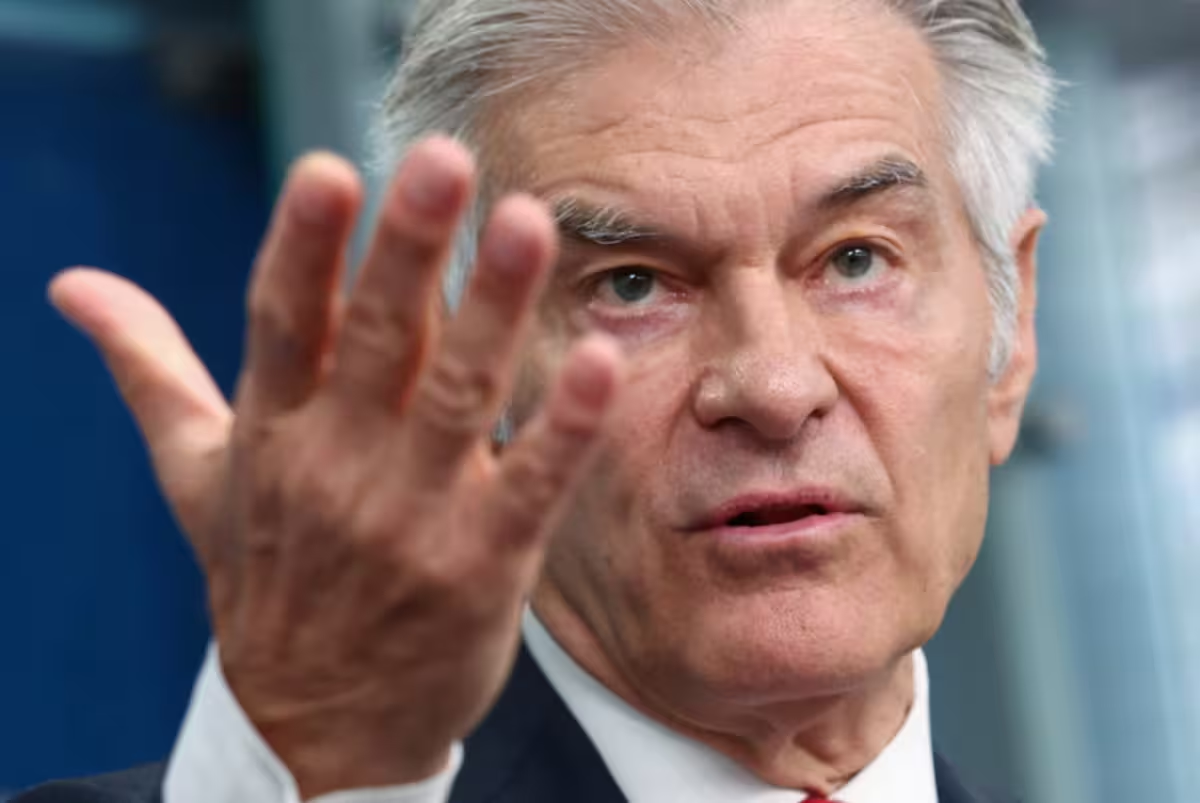
The military exchange came as Donald Trump said the United States was in the final throes of what he called a very, very good deal to end the war and reopen the strait. But Iran’s foreign ministry spokesperson said Tehran would need to assess the situation before it could move forward with peace talks, a signal that any diplomatic path is still tied to what happens on the battlefield. The gap between those two messages is the story: one side is talking about a deal, the other is weighing whether the latest strikes have made one harder to reach.
Iran’s Khatam al-anbiya warned that there would be further devastating and more wide-ranging strikes if the United States continued to attack Iran. That threat gives the latest round of fire a clear edge beyond the downed helicopter itself. The target list is no longer a single incident over the Strait of Hormuz; it now includes American positions spread across the Middle East, with the prospect of more retaliation hanging over both sides.
For Susan Collins, the timing also lands inside a political year that is already drawing national attention. Collins, the only Republican senator from a state that Trump lost in 2024, will face Graham Platner in Maine this fall in a race being watched as a marquee fight for control of the Senate. She was first elected in 1996, and her contest is one more sign of how the fallout from Trump’s own Truth Social-era politics keeps spilling into races far from the Gulf.
