A strong aftershock jolted a partially collapsed grocery in General Santos city on Wednesday, forcing rescuers to run outside for a headcount as they tried to keep working through the wreckage left by a 7.8-magnitude earthquake in southern Mindanao.
Ressa Mia Tactaquin-Betoya said the alarm went off immediately and those inside had to get out fast so responders could account for everyone. She said it was frightening to watch the rescuers themselves pull back, because the area had to be secured before they could go in again. More than 2,100 aftershocks have followed the Monday quake, including some that reached magnitude 6.4, and officials say the latest jolt is only the latest reminder that the ground is still unstable.
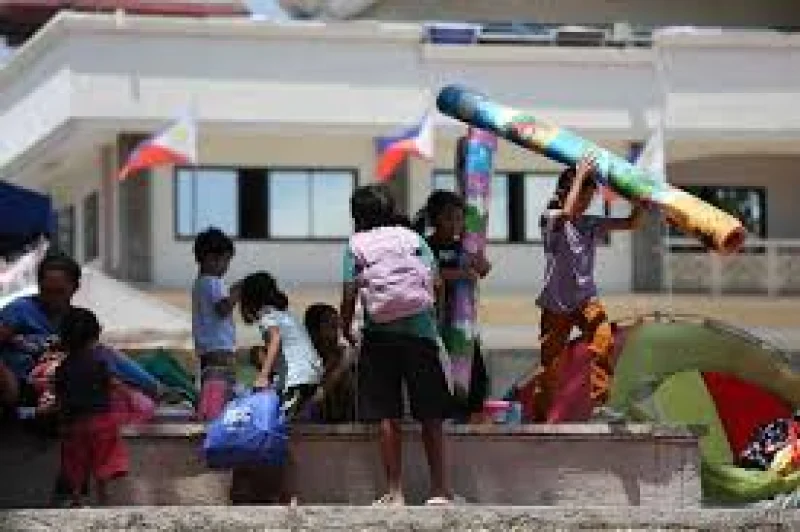
The earthquake has already killed at least 45 people, left 17 missing and injured at least 630 more. More than 25,000 people remain displaced, many of them staying in 45 government-run emergency shelters, while damage assessments continue to spread across the region. The quake damaged more than 3,100 houses, 29 roads, 11 bridges and more than 100 government buildings, and the international airport in General Santos remains shut to regular traffic, open only to government and military flights carrying aid and disaster-response personnel.
That damage has turned recovery into a race against time. About 6,000 public school buildings in quake-hit provinces still have to be checked before classes can resume, and the quake struck on the first day of classes nationwide after a two-month summer break, forcing families and local officials to juggle shelter, repairs and the start of the school year at once. General Santos, a bustling commercial hub and the country’s tuna capital, is also still dealing with the wider fallout from the quake’s force, which was described as one of the most powerful to hit the Philippines in a half century.
The problem for rescuers is that the work cannot simply continue at full speed. The grocery team had to step back after the aftershock, and officials have made clear that the area has to be secured first because more shaking could put responders in danger. With the aftershock sequence still unresolved and key facilities, homes and schools waiting on inspections, the next phase of the disaster response will be measured less by headlines than by how quickly crews can safely get back inside the places they have not yet finished searching.