


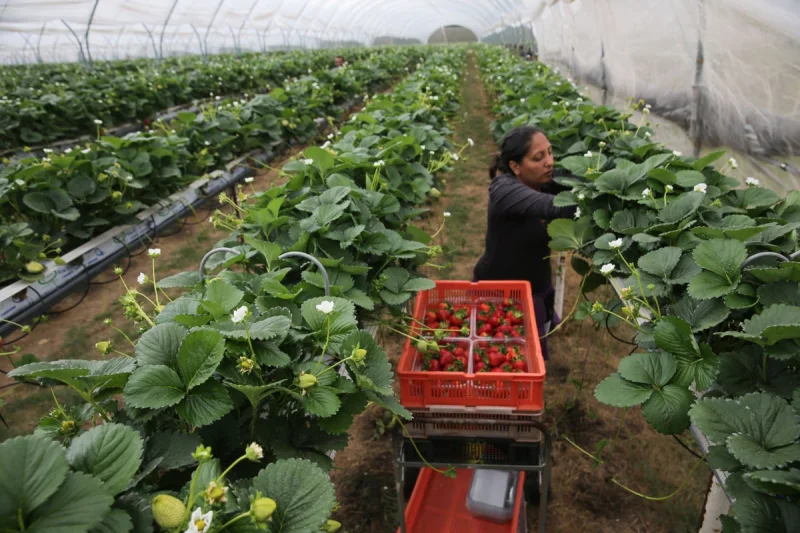
Zack Polanski will on Monday warn that the UK food system is “close to collapse,” using a speech to food workers to argue that farmers need stronger support and supermarkets need tighter regulation so growers get a fair deal for what they produce.
The Green Party co-leader is set to deliver the speech to the Bakers, Food and Allied Workers Union at a moment when the warning carries fresh urgency. By the beginning of May, the UK had received 23% less rain than average, and just a couple of weeks ago the hottest May day ever recorded in the country was seen. Polanski is expected to say that the pressure is already showing up in fields, kitchens and pay packets, and that the Australian cost of living crisis has become part of a wider squeeze on food production, wages and bills.
He will tell the union that rising heat is not just a weather story but a food story. In remarks set out ahead of the speech, he says hotter conditions mean more people getting sick from extreme heat and more strain on infrastructure that is not built for those temperatures, with “terrifying implications” for food. He is also expected to say workers’ pay does not keep up with rising bills, while hours grow longer, contracts become more precarious and people are afraid to take sick leave or even take a day off with their children.
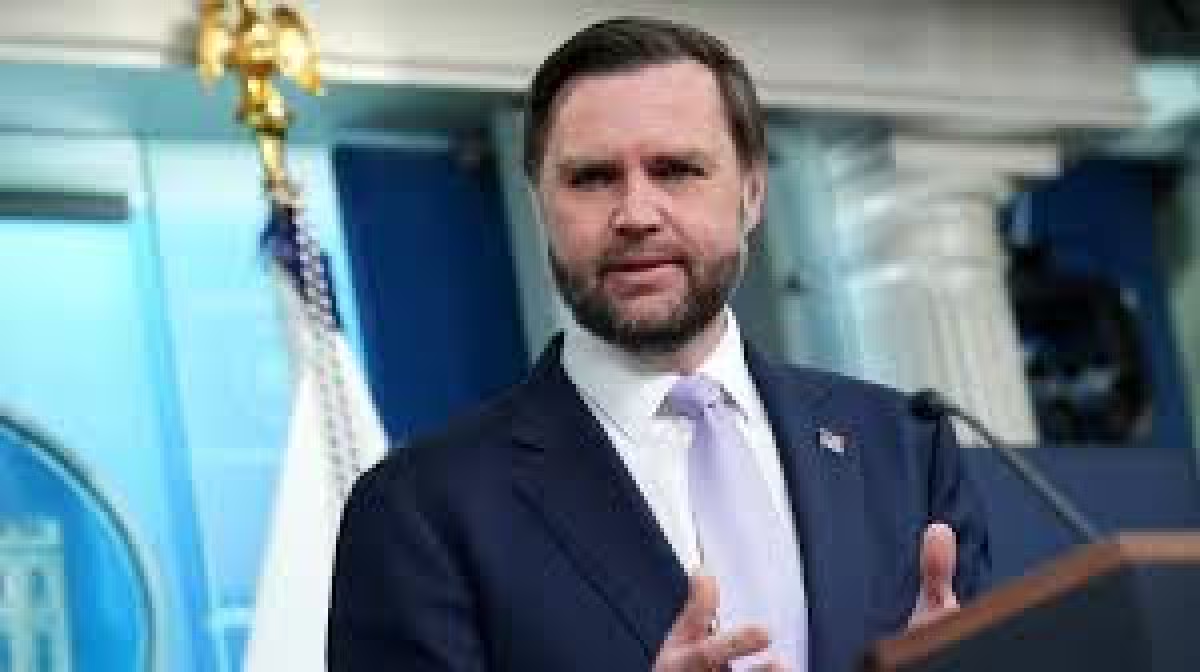
The Greens are using the speech to push a broader package that goes well beyond farm support. The party wants free school meals for all primary and secondary pupils, a universal minimum wage of £15 an hour, and a £1,000-a-month basic income for some agricultural workers, funded through a levy on the wealthiest landowners. It says small businesses would be shielded from some of the cost through lower National Insurance contributions.
That pitch lands directly against Labour, which says it is already investing £200 million to help Britain’s farming sector adapt to a changing climate. A Labour spokesperson dismissed Polanski’s criticism as “cheap headlines,” while a party spokesperson said Keir Starmer’s government is the first to commit to maintaining domestic food production levels and bringing forward protections for farmers in the supply chain.
For Polanski, the split is clear: he wants the government to put forward a real plan for a sector he says is under strain, while ministers say they already have one. What Labour chooses to spell out next will determine whether this becomes a passing attack line or the start of a much sharper fight over who is prepared to pay for Britain’s food future.
