


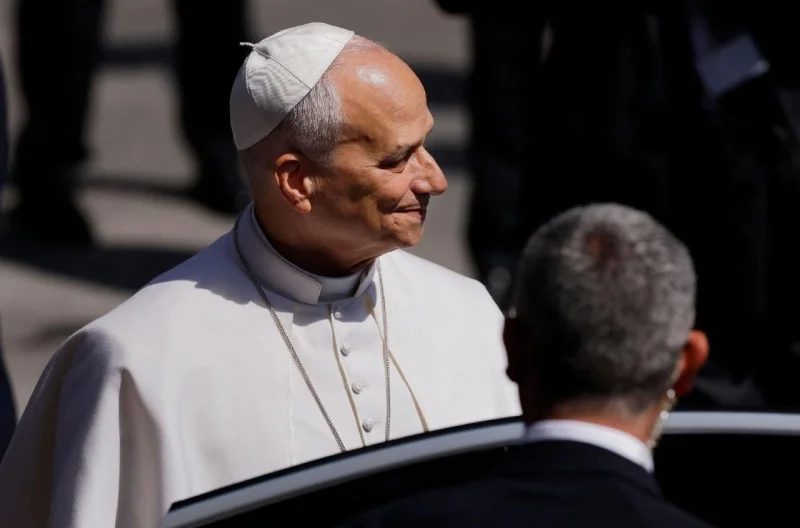
Pope Leo XIV denounced the “scourge” of sexual violence by Catholic clergy on Monday and called for a Church marked by a “culture of care,” saying victims must be met with listening, truth, justice, reparation and stronger prevention. He also said every wounded person should find sincere listening, welcome, protection and real paths to healing.
The remarks came as Spanish media reported that Leo was expected to speak later on Monday with abuse victims at the Vatican embassy in Madrid, a meeting the Vatican said would take place during the visit but would not explain in advance. The timing mattered because the pope was already in Spain for a day of unusually direct interventions, including an unprecedented speech to the Spanish parliament, and because the abuse crisis there has become impossible for the Church to ignore.
That crisis is not abstract. Spain’s national ombudsman estimated in a 2023 report that about 200,000 minors have suffered sexual violence by clergy since 1940, a figure that has helped drive new pressure on church leaders and the government of Prime Minister Pedro Sanchez. In March, the government and the Catholic Church in Spain signed an agreement to compensate victims, but survivors and campaigners have continued to say that payment alone cannot replace accountability.
Leo’s comments carried added weight because he had already described the scandal as “still an open wound” for the Church while speaking to reporters on the flight to Madrid on Saturday. This trip has become one of the clearest tests yet of how the new pope wants to handle abuse: publicly, with sharper language than many victims are used to hearing, and privately, with a meeting that was supposed to show he is willing to listen as well as speak.
But even that meeting exposed the fault line running through the whole visit. Juan Cuatrecasas said outside the nunciature that his group felt shut out of the expected encounter, saying they were disappointed that the pope, instead of listening to a sufficiently large and solid representation of victims, preferred to leave them out. He said they would keep pushing until the end, insisting that the pope had to see them and hear them, because they have a voice.
That complaint leaves the central question of the day hanging over Madrid: which victims actually got into the room, and what did Leo do once the door closed? For a Church that counts 1.4 billion Catholics and is trying to show it can move from apology to action, the answer will matter as much as the denunciation that opened the day.
