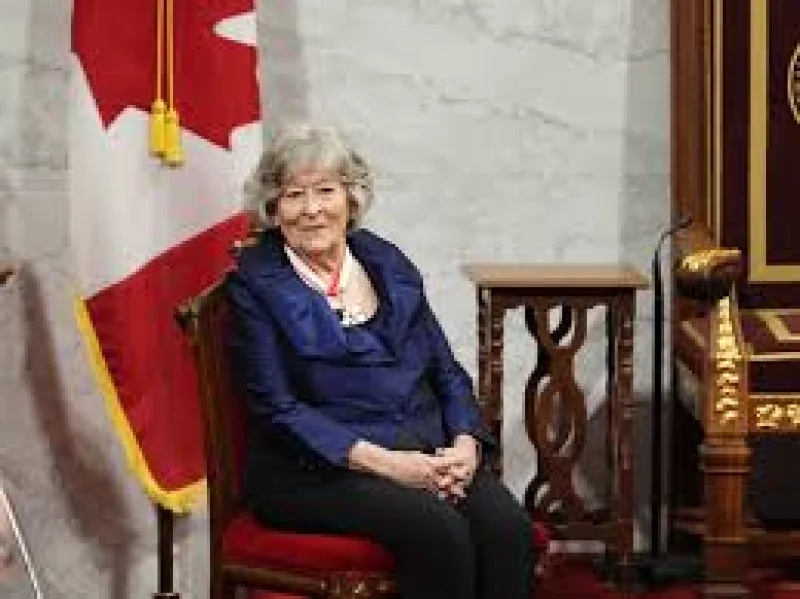
Louise Arbour was installed as Canada’s 31st governor general in Ottawa on Monday, June 8, 2026, taking up the country’s top viceregal office after a swearing-in ceremony in the Senate.
The installation formally put the retired Supreme Court Justice into the role of the representative of King Charles, a post that carries constitutional weight even when the day’s ceremony is tightly scripted. For readers searching her name today, this was the moment the transition became official.

Arbour arrives in the office with a legal career already tied to some of the country’s most consequential institutions. That background matters because the governor general is not a partisan job, but the person who occupies it is still expected to carry the authority and symbolism of the Crown in Canada.
The ceremony itself left one thing hanging in the air: what Arbour intends to do with the platform now that the swearing-in is complete. The formalities have ended, and the office has changed hands, but the public will still be waiting to hear how she uses the role beyond the hall in Ottawa.
For now, the only certainty is that Canada has a new governor general, and the installation made that change immediate on Monday.