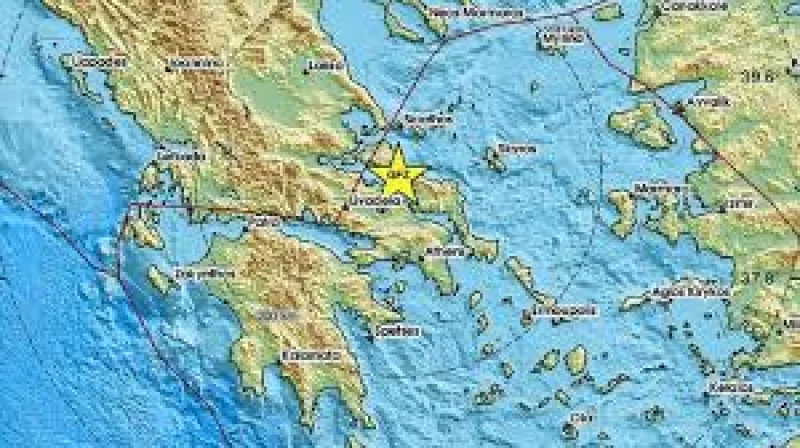
A 5.2-magnitude earthquake struck Greece on Sunday, shaking a zone about 50 miles northwest of Athens just after 1:02 p.m. Eastern European time. The U.S. Geological Survey reported the quake and said more quakes were later reported in the same area.
The timing matters because the ground moved in the middle of the day, when the area around northwest Athens would have been awake and active, and the later quakes kept attention on the same stretch of Greece. The initial reading put the event at 5.2, but that number can shift as seismologists review more data and refine the map of shaking.

That matters because the reported magnitude is only the first pass at what happened underground. As more information is collected, U.S.G.S. scientists may update the shake-severity map, which is based on the Modified Mercalli Intensity scale and helps show where the shaking was felt most strongly.
The open question is whether the later quakes were aftershocks from the first rupture or separate events in the same region. Aftershocks are usually minor adjustments along the fault that slipped in the main quake, and they can come days, weeks or even years later. The current map set includes earthquakes within 100 miles and seven days of the initial event when aftershock data is available.
For people near Athens, the practical answer is still the same: the shaking did not end with the first jolt, and the official picture may still change as the data comes in. The 5.2 reading is the starting point, not the final word.