


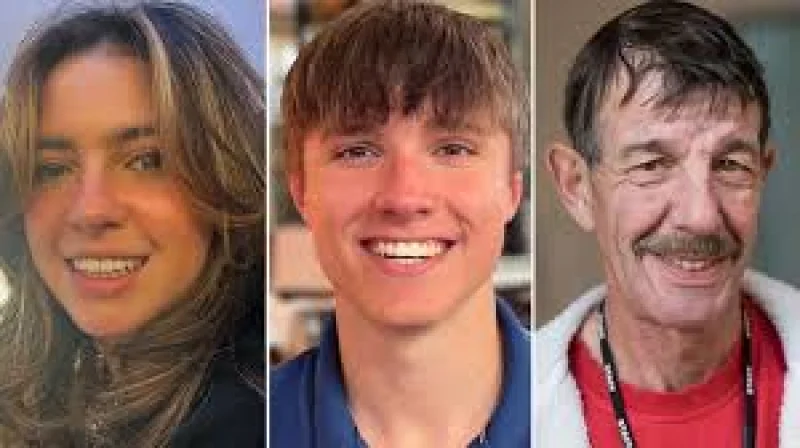
The Nottingham attack public inquiry has finished hearing evidence after 14 weeks, after listening to 164 witnesses about what happened before and after Valdo Calocane killed three people and tried to kill three others in Nottingham.
For Emma Webber, the last day brought no sense of closure. She said the nearly five months of hearings had left her mentally exhausted, describing the process as a really hard and intense stretch in which each day seemed to deliver another hideous revelation.
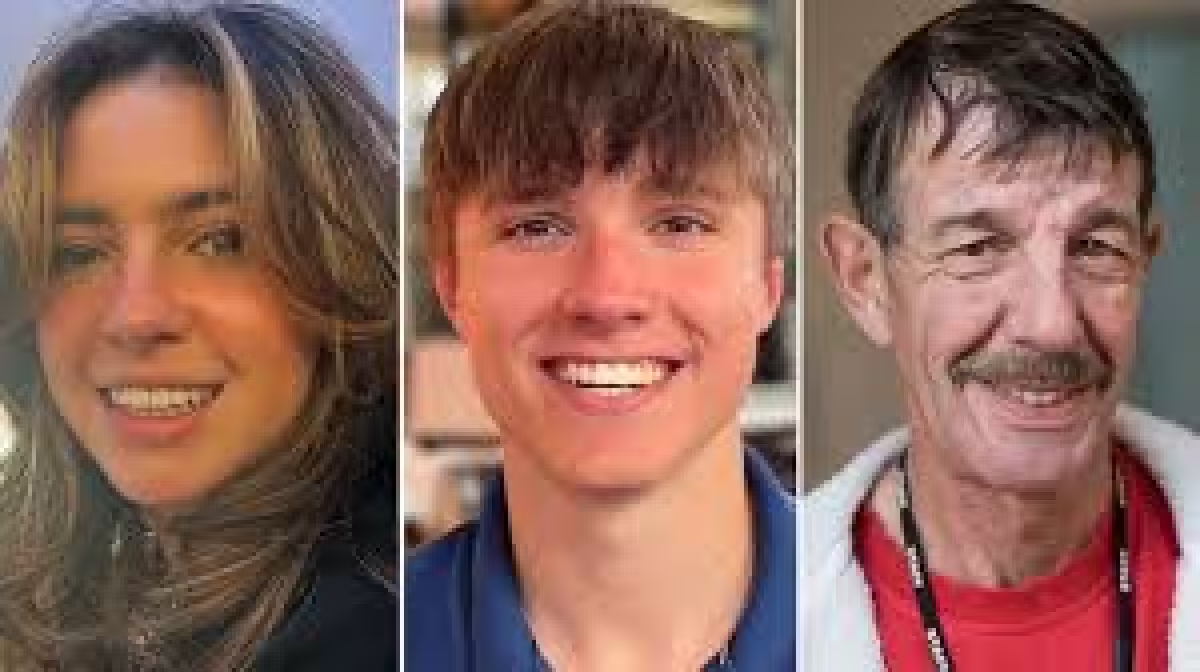
The inquiry has examined the lead-up to the attacks on 13 June 2023 and the aftermath, including failures by public bodies, police and the NHS. Calocane, who had been diagnosed with paranoid schizophrenia in 2020, stabbed to death Barnaby Webber, Grace O'Malley-Kumar and Ian Coates, and tried to kill three others. On Friday, the inquiry reached its last day of evidence after hearing how the system responded before the killings and what went wrong after them.
Webber said she had thought she was already aware of most of the failures before the hearings began, but the evidence kept cutting deeper. She said there had not been a single day of evidence from anyone involved in Calocane where there was not some new hideous revelation, and said some of what emerged was disgusting and grotesque.
That frustration has been sharpened by details that have emerged in the hearing room. The inquiry heard that a Nottinghamshire Police officer sent a WhatsApp message referring to Barnaby Webber's wounds as properly butchered, while the Independent Office for Police Conduct has launched multiple investigations into officers from Nottinghamshire Police and Leicestershire Police. It was also heard that 91 minutes passed from the first call to Nottinghamshire Police about the attack on Grace and Barnaby until Calocane was found and arrested, by which point he had attacked Ian Coates as well.
Rob Griffin said the co-ordination of the search for Calocane should have been better. Elaine Newton called the extent of the systemic failings horrifying, and said it felt like Ian Coates had been killed twice because she was first told he had died in a car crash before being told more than four hours later that he had actually been stabbed. She said it was not just Valdo Calocane who killed Ian, and that the people and agencies behind the failings share that burden of responsibility.
The evidence now ends, but the reckoning does not. Webber said there was certainly not an end yet and that there was so much that's going to happen on the back of this, leaving the inquiry's findings and any action that follows as the next test for the families and the institutions now under scrutiny.
