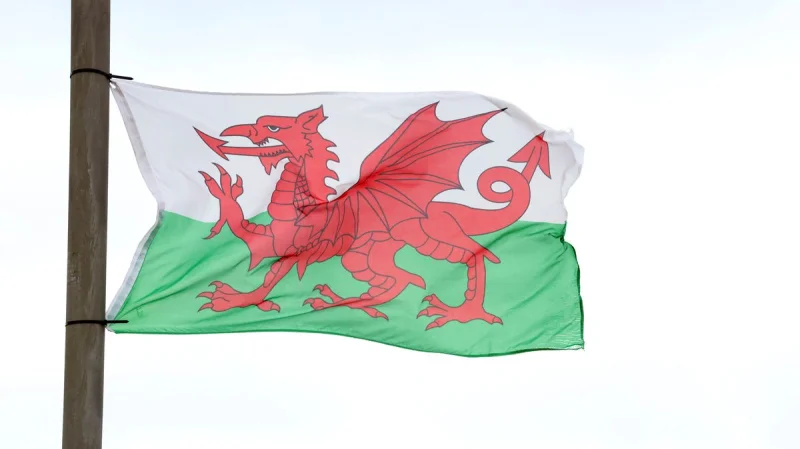
Wrexham Council is investigating a formal complaint over flags tied to lampposts in the city centre after Arfon Jones said they were making vulnerable people feel unsafe and unwelcome. The council says the issue is under active review and that it will not remove flags unless they are causing an obstruction or posing a risk.
The complaint landed as the flags became a live issue in north wales, where Jones said the displays amounted to a "display of racism intended to put fear into the heart of minority communities" and a "distraction and a danger" to drivers. He told the council the proliferation of flags and banners on lampposts was creating "fear and intimidation" for thousands of vulnerable residents, putting the dispute squarely into the middle of a broader fight over who gets to define public space in Wrexham.
The argument has sharpened because it is not only happening in the streets but online, where opponents have described Welsh Dragon displays as patriotism and love of country. Critics have rejected that framing and said the flags are being used as racism and intimidation instead, a divide that has turned a civic display into a test of how the city responds to intimidation claims. A petition launched three weeks ago by Lower The Flags Wrexham also called for illegally placed banners to be removed from the city’s lampposts and has been signed by 400 people.
Iolanda Banu Viegas, the North Wales hate crime officer for Race Council Cymru, said immigrants, refugees and asylum seekers were suffering anxiety and feeling intimidated by what she described as flags and symbols designed to make people feel unwelcome. She said she had lived in Wrexham for 25 years and called the situation "heartbreaking, exhausting, and terrifying". Her warning lands as a reminder that this is not a symbolic argument for everyone involved; for some people in the city, the flags are now part of the daily experience of whether they feel they belong.
The council has briefed area supervisors to keep an eye on roadsides, but it has stopped short of a wider removal campaign. That leaves the question unresolved in practice: how many flags are involved, and how long they will stay up before the review finishes. Jones has pressed for them to come down now, but the council’s position suggests the outcome will depend on whether officials decide the displays cross the line from expression into obstruction or risk.