


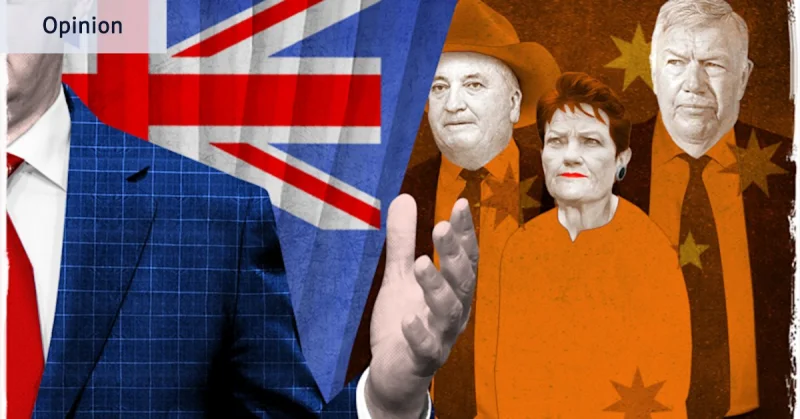
One Nation has pushed into first or second place in most major polls, and David Farley says that is what desperation looks like. Sworn into federal parliament this week, the new member said people are being driven by the cost of living, with younger Australians struggling to buy a home and wages holding steady while everything else keeps getting dearer.
The timing matters because the latest polling lands after the budget, when an SEC Newgate survey found two out of three voters said the country was heading in the wrong direction, a record high. Farley said One Nation’s success is being fed by three shifts at once: generational change, media change and economics, but he said the biggest change is in the economics of basic living.
That helps explain why the party is no longer reading only as a protest vote for older men in the regions. Research by the masthead found One Nation has widened its reach across ages, incomes, education levels and, increasingly, women, who now make up most of its supporters. On current numbers, Pauline Hanson would be prime minister or opposition leader, a measure of how far the party has moved from the margins since it was founded in 1996.
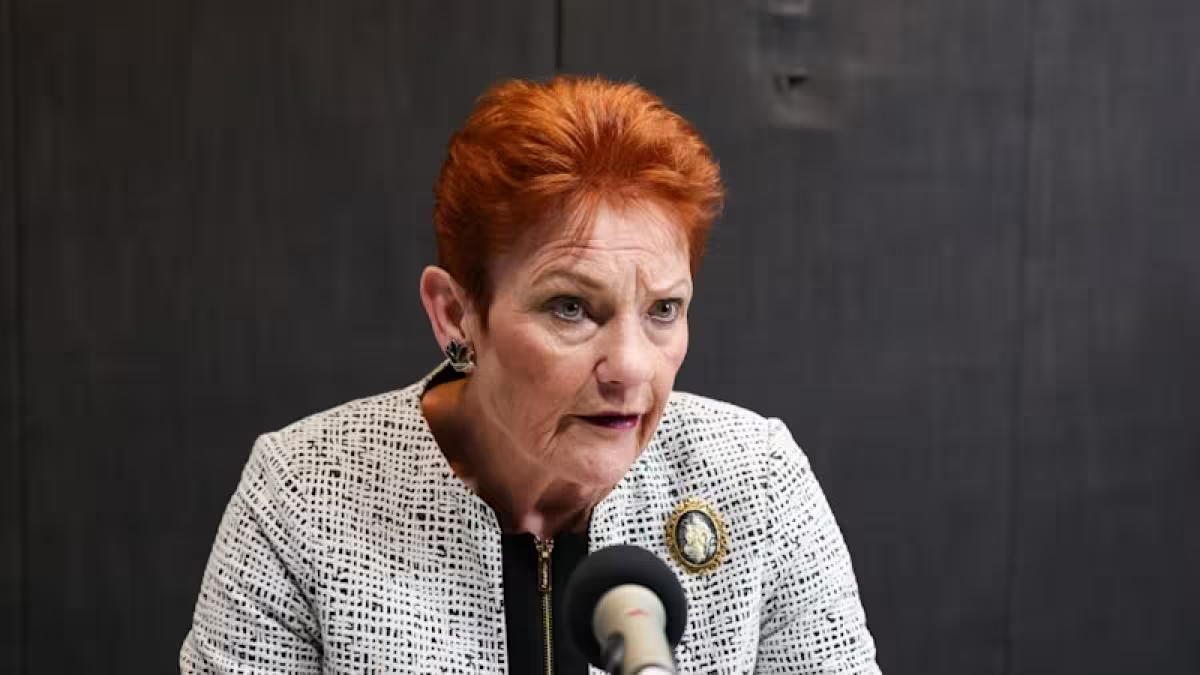
Farley tried to put that shift into everyday language with a story about his family. One of his daughters recently told him, “Dad, this is a first – filled up the Toyota Prado, the fuel bill was bigger than the weekly grocery shop,” he said, adding that she would shop before filling the car. It was the kind of detail that lands because it turns a national debate about inflation into a weekly household decision.
That pressure is also why the Coalition has taken itself out of contention, leaving One Nation to pick up voters who are not just angry but uncertain about what comes next. Farley said the party’s rise is being driven by what people can afford now, not by a single policy fight or personality clash. The unanswered question is how long that anger lasts once the bills stop feeling like a crisis — and whether a polling surge built on strain can be turned into seats.
Pauline Hanson, asked about the change in her standing, said: “Have I really changed? No, because the rest of the country’s caught up with me.” For One Nation, that may be the clearest sign yet that the bigger story is no longer where its voters come from, but how many different places they now come from.
