


US stocks mostly fell on Friday after a stronger-than-expected jobs report shifted traders toward betting that the Federal Reserve will raise rates by the end of the year. The S&P 500 slid 0.7% early Friday, the Nasdaq Composite sank 1.2% and the Dow Jones Industrial Average fell slightly as investors reset their view of policy.
That move came after the Bureau of Labor Statistics said US employers added 172,000 jobs in May, far above the 88,000 economists had expected. The unemployment rate held at 4.3% for a third straight month, while traders were fully pricing in a one-quarter-point Fed hike by the December meeting. The stock market had been looking for a 10th straight weekly gain, a run that would have matched the longest since 1985, but the jobs data changed the tone almost immediately.
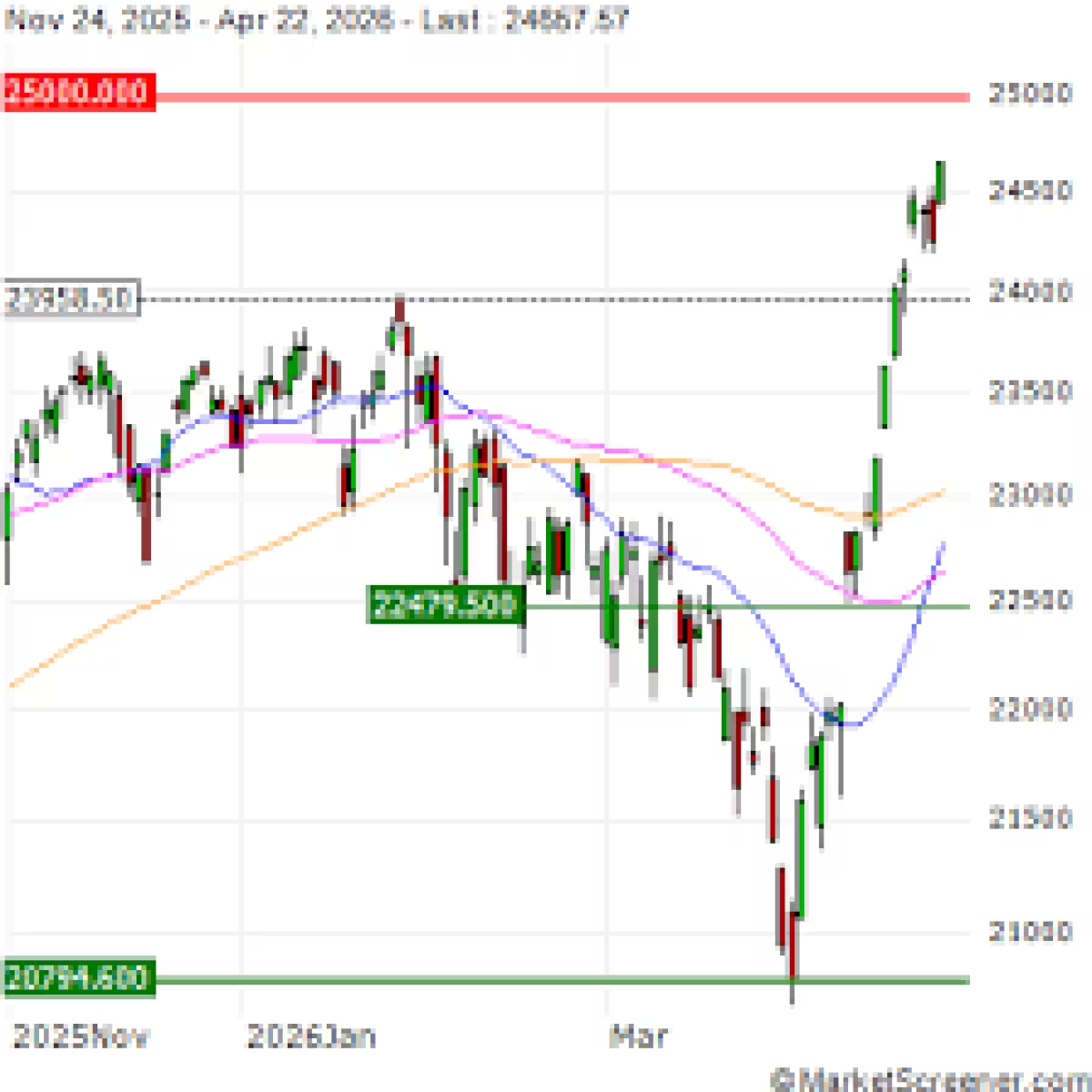
The new numbers also made the market's path look more complicated, not less. Average hourly earnings growth slowed to 3.4% from 3.6% in April, suggesting wage pressure eased even as hiring stayed firm, and traders were still betting the Fed would remain on hold in the near term. But that did not stop Treasury yields from spiking after the report, a sign that bond investors were also repricing the odds of tighter policy later in the year.
Friday's drop came after other pressures were already weighing on Wall Street. Broadcom earnings had sent shockwaves through the AI trade, chipmakers were already under heavy selling, and uncertainty from the fragile US-Iran ceasefire and stalled negotiations had kept nerves on edge. Stocks had also been carrying the burden of inflation data showing the Personal Consumption Expenditures index rose at its fastest pace in three years, with headline PCE up 3.8% annualized and core prices up 3.3%.
For now, the market has settled on a split view: the Fed is still expected to stand pat in the near term, but the jobs report gave traders a stronger reason to expect at least one hike before year-end. What remains unresolved is whether the central bank will actually act by its December meeting, or whether stronger labor data and cooler wage growth will leave the stock market stuck between growth and policy risk for the rest of 2025.
