


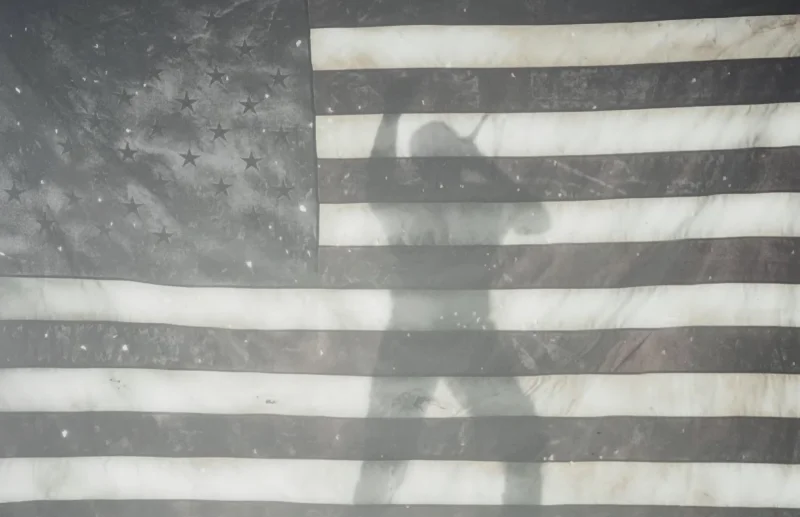
Vince Staples has changed the sound of his music on Cry Baby, cutting the programmed drums that marked earlier records and leaning instead on guitars and live-sounding arrangements. The shift gives the album a rougher edge, but it also opens the door for Staples to widen his subject matter beyond the block.
That is why listeners are searching for Vince Staples now: Cry Baby is not just another album in his catalog, but a visible turn in how he writes and how the record moves. The songs pull toward American life, policing and Black identity, and they do it in a way that keeps the pressure on the man at the center of them. On Blackberry Marmalade, one guitar hook carries the melody while Staples pleads, “Promise me you won’t gun me down,” then jabs, “ghetto, bougie, conscious, pompous, Obama, and Kamala, who the fuck you calling nigga?”
The review also hears him testing the language of police contact on Go! Go! Gorilla, where he asks, “Is this harassment or arrest?” after being pulled over and then lands on the sharper line, “Why do I live in fear of a gun and a badge?” The album keeps moving through that same terrain in The Big Bad Wolf, which borrows the framework of Slick Rick’s Children’s Story and folds in “Cops shot the kid,” and in Only In America, which sets “God bless the U.S.A.” against “You can live by the gun, die by the gun.”
What makes Cry Baby less tidy than a simple political album is that its outward gaze never fully lets Staples out of the frame. Even as the songs reach toward national symbols and public violence, the camera stays on his body, his reactions and the threat closing in on him. TV Guide turns the screen into a drug that gets him through morning and night, while White Flag brings a worn-out plea — “White flag, I don’t wanna fight no more,” and “Love’s a losin’ game, like Amy sang.”
That tension is what gives the record its force. Cry Baby sounds like a move away from the inward geography of Ramona Park and the original block, but it does not become abstract. It keeps returning to the same vulnerable place, and the closer seals that logic with an admission to the facts followed by twenty-five to life. Staples has widened his canvas, but he has not stopped writing from inside the body that has to live there.
