


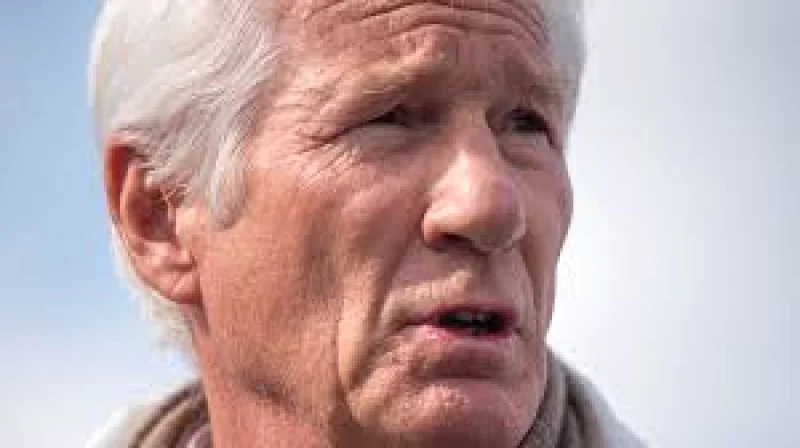
Richard Gere said in Norway on Tuesday that the United States is living through the darkest moment he has ever seen, using the Oslo Freedom Forum to deliver a blunt warning about Donald Trump, American democracy and what he sees as a collapse in vigilance. Speaking with Venezuelan-Norwegian human rights activist Thor Halvorssen, he said people let it happen by going to sleep and not paying attention.
The comments matter because they came at an international human rights gathering, where Gere helped present the Vaclav Havel International Prize for Creative Dissent. He did not speak like a performer making a political aside. He spoke like someone arguing that history is moving fast again, and that the cost of missing the warning signs can be severe.
Gere said he did not do enough to persuade the people around him that it was insane to elect Trump president. He went further, saying that on the first day Trump dismantled almost everything that was good about the U.S. government and the U.S. people. That mix of self-blame and condemnation gave the speech its force: he was accusing voters of drifting off even as he admitted he had not done enough to stop the outcome he now fears.

To make the point, Gere reached back to Germany. He said he had visited Dachau and seen an exhibition about how quickly German society changed, then warned that the same kind of shift can happen quickly elsewhere if people stop watching. “Good people turned into monsters,” he said, adding that people have to stay vigilant and recognize the cues of “this dictatorship of the monsters.”
He has previously been one of Trump’s more outspoken critics, but the setting in Oslo gave the warning extra weight. The forum is built around freedom and dissent, and Gere used that stage to argue that the United States is not merely in a rough political patch but at risk of losing something deeper if citizens keep looking away. He ended that thought with a line that landed like a verdict: “It’s not OK. It’s never OK.”
What he did not spell out was a specific plan for how to stop the slide he described. Gere offered urgency, history and blame, but no blueprint. For readers trying to measure the speech, that is the unanswered part: not whether he sees danger, but what, exactly, he thinks must change before the moment he described gets worse.
