


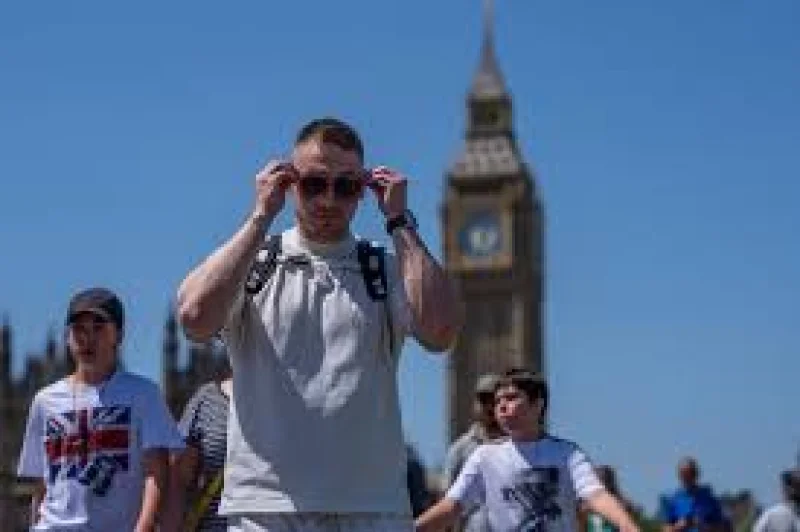
The Met Office released its three-month summer outlook on 1 June and said the UK now has a higher-than-normal chance of hotter weather this month, with the risk of heatwaves and heat-related impacts running through the end of August. It is the first day of meteorological summer, and the forecast puts the country on alert for a season that could turn hot fast.
That matters because the spring already ended with a burst of extreme heat. A late spring heatwave broke temperature records across the UK, including a new all-time May high of 35.1C at Kew Gardens in London. The previous May record, 32.8C, had stood since 1944, and yellow and amber heat health alerts were issued for the first time this year.
The outlook does more than flag a warm spell. The Met Office said a hotter summer is now twice as likely as the 1991-2020 reference period, which it linked to the warming climate. For people across the UK, that raises the stakes for health services, transport and daily routines if hot weather settles in again during June, July or August.

MeteoGroup issued a broadly similar temperature call, saying above-average conditions were expected for June, July and August and that a few notable spikes in heat were possible across the UK and Europe. But the two forecasts split on rain. MeteoGroup predicted below-average precipitation overall, especially through June and July in England and Wales, while the Met Office said the chance of a wet summer was slightly higher than normal.
That gap matters because summer rainfall is always harder to pin down than temperature, and this year’s outlooks show how quickly one part of the season can diverge from another. MeteoGroup said the wettest areas were more likely to be in Scotland, where rainfall could be around average, leaving England and Wales more exposed to a dry start even as the Met Office stops short of calling for a parched season.
The next thing to watch is not whether summer will feel warmer — both forecasts point that way — but how long the heat lasts and whether it arrives in repeated bursts. The Met Office outlook runs to the end of August, and the unanswered question is whether those hotter spells become a sustained pattern or a handful of sharp peaks.
