


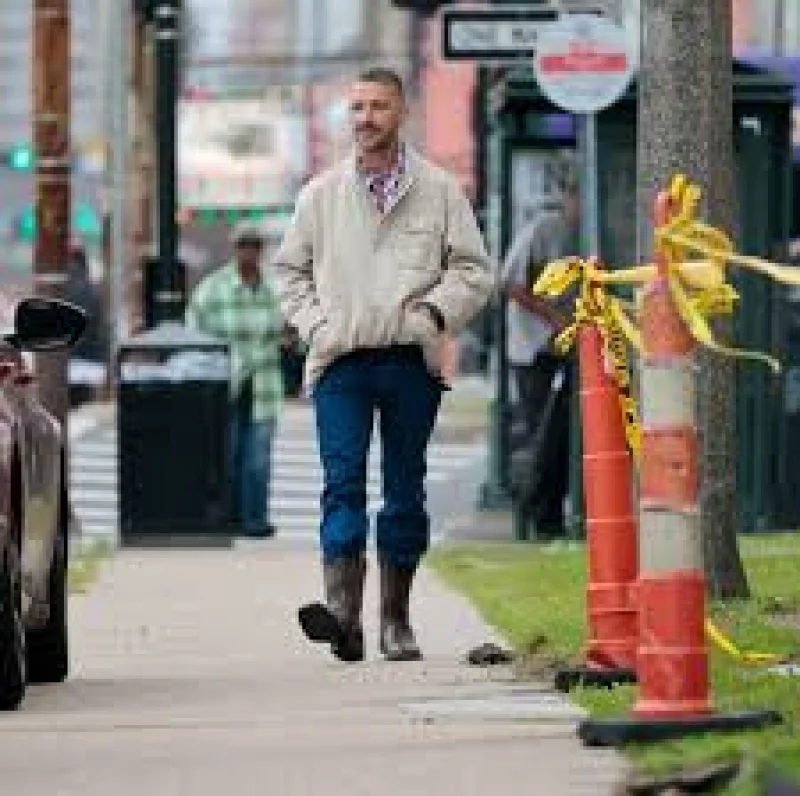
Shia LaBeouf pleaded guilty on Wednesday to misdemeanor battery charges in a New Orleans criminal district courthouse, closing out a February bar case that ended with probation and court-ordered treatment. The actor was also ordered to complete rehabilitation for alcohol abuse, sensitivity training and anger management classes.
The plea came after LaBeouf was accused of striking three men at the R Bar in New Orleans’s Marigny neighborhood in the early hours of 17 February. Police arrested him at about 12.45am after what they described as an increasingly aggressive confrontation at the bar, where staff told him to leave.
For readers searching his name now, the reason is simple: the court finally imposed a sentence. LaBeouf, 39, received two years’ probation after the judge accepted his plea, along with treatment and training requirements that place the case under court supervision for the next two years.
His lawyer, Sarah Chervinsky, had cast the episode as little more than a rough encounter on the morning of Mardi Gras, saying the investigation showed “nothing more than a minor … bar tussle” and denying that bias played any role. She also said LaBeouf was looking forward to focusing on family, work and new creative projects and that he was “wanting to take accountability for his part in what happened, and he has done so.”
Police statements painted a more serious picture. Officers said LaBeouf punched two men and head-butted a third, then insulted them with homophobic slurs. Jeffrey Damnit, whose legal last name is Klein, recorded a cellphone video of LaBeouf using the slur “faggot” outside the bar and hoped prosecutors would pursue the case under a state law that allows tougher penalties when someone is targeted because of sex or gender.
That possible bias angle never disappeared completely, even as the plea resolved the misdemeanor battery charges. Formal charges were filed by New Orleans district attorney Jason Williams’ office on 21 May, after LaBeouf had been briefly jailed following a hospital discharge and later released on a $105,000 bond. A judge had already ordered him into substance abuse treatment, and the Wednesday sentence put the weight of that order behind the plea.
The case also fits an older pattern. LaBeouf bought a home in New Orleans in December, but this was not his first encounter with the US criminal court system; he was arrested in 2014 over allegations that he disrupted a Broadway show in New York City. For now, the New Orleans case is over in the narrow sense that matters most in court: he admitted the offense, and the next chapter belongs to probation officers, treatment providers and the conditions the judge set.
