


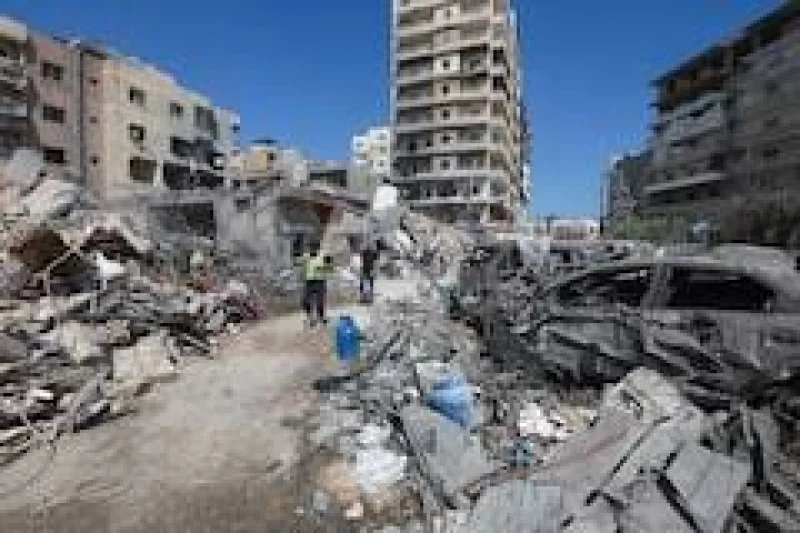
U.S. forces carried out self-defense strikes on Iran’s Qeshm Island after attempted attacks, the latest flash point in a confrontation that now has both military and political weight. The strikes came after Iranian missiles and drones were defeated, and Congress is preparing to vote on an Iran War Powers Resolution.
That makes the timing matter. The White House is dealing with a fresh show of force while lawmakers move toward a vote that could shape how much latitude the president has in any wider clash with Iran. The question on Capitol Hill is no longer whether the issue is live; it is how far the United States is willing to go before Congress steps in.
CENTCOM said the strikes were carried out in self-defense, tying them directly to attempted attacks on the island. It did not spell out in the facts available what specific actions triggered the response, but the pattern is clear enough: U.S. forces say they stopped Iranian missiles and drones and then hit back on Iranian territory. That is the kind of move that can turn a limited exchange into a broader political fight inside Washington.
Marco Rubio added a different layer to the moment. The secretary of state hinted that Iran’s Supreme Leader is increasingly engaging in talks with the United States, and said those discussions involve Iran’s nuclear program and other issues. That sits uneasily beside the military exchange, because it suggests the two sides are talking even as U.S. forces are trading strikes and Congress is moving toward a war powers vote.
For now, the next test is in Washington. If the House and Senate advance the Iran War Powers Resolution, the strikes on Qeshm Island will not just be a battlefield episode but part of a wider argument over who decides the next step with Iran and how much room the administration has to act before lawmakers intervene.
