


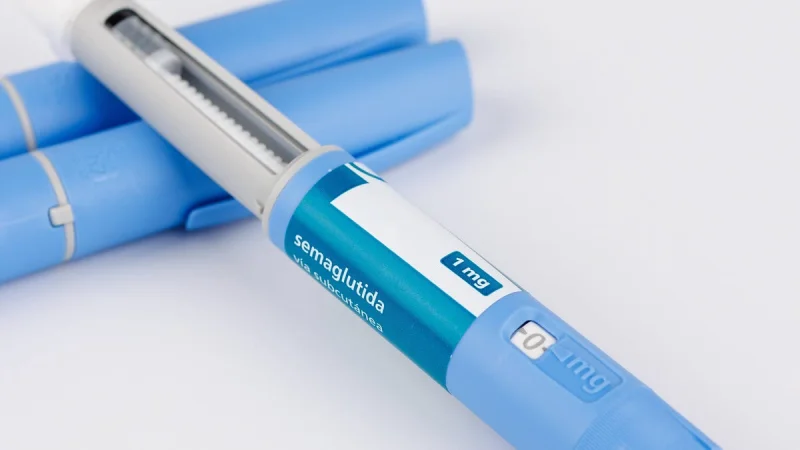
A Penn Medicine study published June 2 found that women prescribed popular GLP-1 weight-loss drugs had a lower risk of breast cancer, a result that could broaden the conversation around medicines already used by millions for obesity and diabetes. In the study of more than 111,000 women, those with GLP-1 prescriptions had a 35.1% lower risk of developing breast cancer.
The research was published in JCO Oncology Practice and presented at the American Society of Clinical Oncology meeting, putting fresh numbers behind a question that has gained traction as GLP-1 drugs spread beyond diabetes care. Breast cancer is the most common cancer among U.S. women after skin cancer, and obesity is a known risk factor, so any sign that a widely used drug class might also affect cancer risk is drawing close attention.

The study reviewed health records from 2022 through mid-2025 for women ages 45 to 80 who were overweight and had breast imaging done at Penn Medicine facilities. More than 15,000 women had prescriptions for GLP-1 medications, while more than 96,000 had no record of them. After matching users and nonusers across age, race, ethnicity, body mass index, breast density and diabetes status, the GLP-1 group was 30.5% less likely to be diagnosed with breast cancer.
Elizabeth McDonald said the findings should “only increase the possibility that there is a real biological signal” and said the benefits would be transformative for women’s health if the link holds up. But the study cannot settle the question it raises. It was observational, did not specify which GLP-1 drugs women used or how long they took them, and did not account for genetic risk factors or whether cancers were already advanced at diagnosis.
There is also a practical gap in the records. The study relied on women who visited Penn facilities and did not capture prescriptions filled elsewhere, including through telehealth companies or compounding pharmacies. McDonald and other researchers are seeking funding for a five-year clinical trial to see whether GLP-1 drugs can actually reduce breast cancer cases in women at high risk. That trial is the next test of whether the association is a real preventive effect or only a statistical signal.
