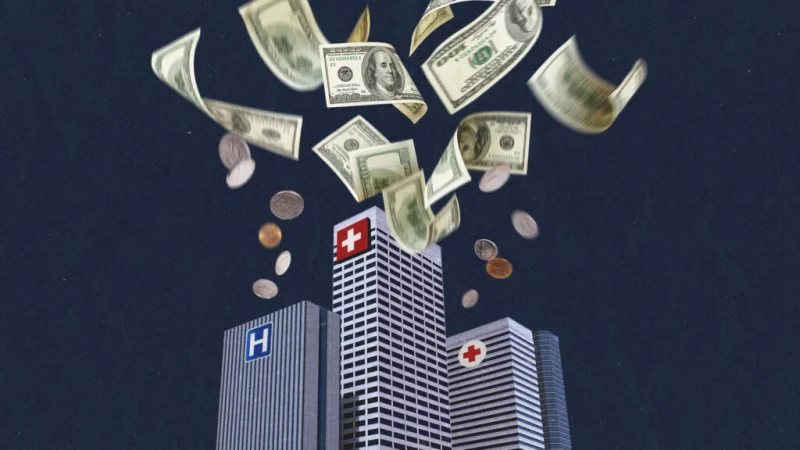
Eli Lilly and Company has given more than 1,000 hospitals five days to hand over claims data or lose access to 340B drug discounts, escalating a fight that reaches deep into hospital drug purchasing, clinical research sites and contract pharmacy networks. The June 1 letter puts a hard deadline on institutions that rely on the savings for drugs including tirzepatide and insulins.
The hospitals that received the ultimatum include sites running Phase II oncology trials and investigational drug services, where the same pharmacy infrastructure can be used both for experimental product management and for Lilly’s discounted drugs. That makes the demand more than a billing dispute; it lands inside the daily machinery of hospitals that are already juggling research, dispensing and federal drug savings in the same systems.
The 340B Drug Pricing Program is run by the Health Resources and Services Administration, and it covers disproportionate-share hospitals, cancer centers and federally qualified health centers. Lilly’s move follows years of friction over how much control manufacturers can impose on discounted sales after a 2021 HRSA enforcement letter said the company’s restriction on contract pharmacy pricing violated the 340B statute.
That finding did not end the argument. Courts have repeatedly said the statute is silent on distribution conditions, giving manufacturers room to write their own rules, and that gap has kept the program in constant motion. Lilly’s latest letter pushes directly into that unresolved space: it ties continued discounts to claims data hospitals must deliver in five days, with no public confirmation yet that any of the recipients met the deadline.
What happens next is plain enough. Hospitals either complied by the deadline that followed the June 1 letter, or they face losing 340B pricing on some of Lilly’s biggest-selling products across the contract pharmacy network that many of them use to serve patients and support research operations.