


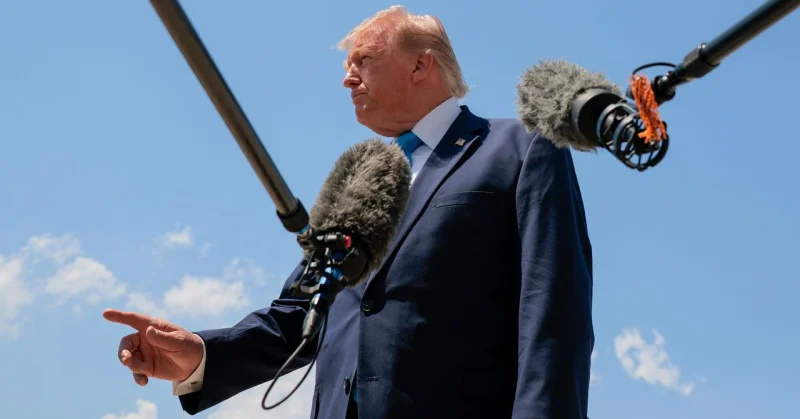
The Trump administration is trying to revive an executive order on AI regulation that President Donald Trump scrapped just hours before a signing ceremony on May 21. White House officials are now working through whether the order can be brought back in some form after Trump nixed it last month.
The renewed push matters because the draft would have required AI labs to give the White House early access to models before public release, in some cases as much as 90 days ahead. That would have put major developers such as OpenAI, Anthropic and Google under a voluntary framework tied to cybersecurity concerns, a rare federal attempt to peer inside frontier systems before they reached the public.
Trump canceled the planned signing on May 21 after being told the order could stifle domestic competition and weaken the advantage the United States holds over China in the AI race. The reversal was abrupt, but it did not end the debate inside the West Wing. White House chief of staff Susie Wiles is now leading a group of top officials trying to resurrect the same order, joined by Treasury Secretary Scott Bessent and national cyber director Sean Cairncross.
The fight over the order has also exposed how sharply the administration’s AI message has split. David Sacks told Trump the draft was too onerous, and he later wrote on X that unnecessary regulation is the biggest threat to innovation in America. In the same post, Sacks argued that winning the AI race means beating China while also clearing bureaucratic hurdles from state legislatures and, in his words, woke politicians in Washington.
That argument goes to the center of the problem White House aides are trying to solve. The administration initially steered clear of regulating AI, then moved toward the draft order as the White House grew more focused on AI as a national security issue. The draft’s requirement that labs could submit models up to 90 days before release was meant to give officials time to examine highly capable systems, including models that have been described as strong at finding vulnerabilities in older software.
Whether the order comes back at all now depends on whether those competing factions can settle on language Trump will sign. For now, the administration is still trying to turn a canceled ceremony into a live policy, and the next version — if there is one — will show whether the White House wants more scrutiny of AI or only the appearance of it.
