


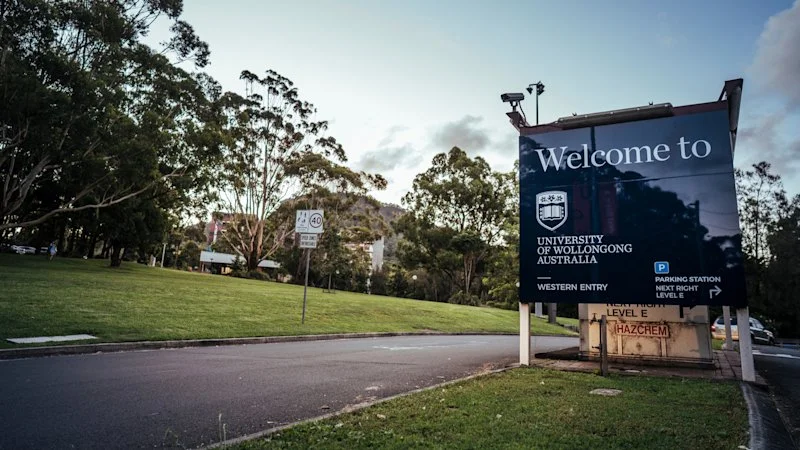
The Independent Commission Against Corruption will hold a public inquiry into University of Wollongong chancellor Michael Still and other senior staff, moving the case from quiet investigation into a public hearing. The watchdog said on June 2, 2026, it will examine recruitment, consultancy work and whether a conflict of interest was properly handled at the top of the university.
That is why the case is back in focus today. The inquiry follows reporting last month that the NSW anti-corruption watchdog had visited the Illawarra campus, and it turns a long-running probe into a formal public test of what happened inside one of the state’s major universities. For readers trying to understand why icac is now on the front page again, the answer is simple: the commission has named the people and the decisions it wants to scrutinise.
Icac said it is investigating whether the university’s chief governance officer and secretary, Alyssa White, or other staff intentionally subverted recruitment processes for governance roles to benefit people linked to her. It will also examine whether, since 2024, Still, White or other staff or contractors improperly awarded work to Aspirall Consulting International Pty Ltd, and whether Still or anyone else failed to manage a conflict tied to the employment of John Dewar as interim vice-chancellor and the engagement of KordaMentha Pty Ltd.
The names matter because they point to decisions made at the centre of university power, not on its edges. Dewar was made interim vice-chancellor in 2024, and KordaMentha was awarded a $2.9 million contract for the university’s transformation strategy while he was in the role. Aspirall was selected in 2024 to run workshops for staff input into the next vice chancellor, placing consultancy work and leadership appointments in the same frame.
Still has repeatedly rejected the idea that the appointments created a problem. He told a NSW parliamentary inquiry in December that there was no conflict because a tender process was carried out normally for the consultant appointment and Dewar was asked separately to step in as interim vice-chancellor. He also said Dewar was appointed on June 30, 2024, and that KordaMentha started three weeks later as part of the tender process for the review of operations. In that same hearing, Still said Dewar’s role was nine days a fortnight at the university while doing one day at KordaMentha.
He has also defended the choice of Aspirall, saying he knew the firm through its work as a strategy consultancy and had used it successfully before. That account now sits beside Icac’s narrower question: whether the university’s own processes were enough to prevent a conflict from being mishandled, even if no one inside the institution believed one existed. Lisa Simmons told the committee hearing she had been granted whistleblower protection after flagging suspected corrupt conduct with the commission, adding a personal account to a case that has already moved beyond internal management.
The public inquiry is the clearest sign yet that the watchdog believes the issues at the University of Wollongong deserve to be aired openly. The hearing date was not given, but the commission has already set the terms of what it wants to test: recruitment, consulting contracts and the chain of decisions that linked them. If the evidence is as significant as the referral suggests, the next stage will be less about whether the university can explain itself and more about whether its leadership can withstand a public examination of how it ran itself.
For background, the case has also drawn in one of the university’s more public moments. Tanya Diesel posted in 2025 about the installation of Still as chancellor, writing that it was a privilege to witness the ceremony, while the present inquiry now looks far less ceremonial. That contrast is hard to ignore, and it is likely to define how the university’s leadership is viewed once the hearing begins.
