


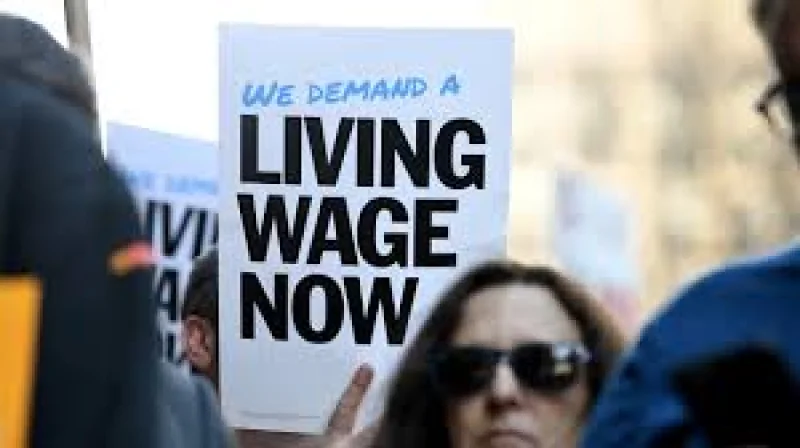
Australia’s minimum wage will rise 4.75% from 1 July, lifting the lowest ongoing wage rate to $26.44 an hour and giving nearly 3 million workers a pay increase after the Fair Work Commission’s annual decision on Tuesday morning.
Justice Adam Hatcher said the ruling was particularly challenging, with surging fuel prices and existing inflationary pressures weighing on the panel’s judgment. For about 100,000 of the country’s lowest paid workers, the increase will be 6%, a bigger lift than the 4.75% applied to the roughly 2.8 million workers on award wages.
The change lands at a moment when household budgets are still under strain. Inflation was running at 4.2% in the year to April, and last month’s budget projected consumer price growth could push beyond 5% if the Middle East conflict dragged on and oil prices climbed higher for longer. Unions had pushed for a 6% rise, while the Australian Chamber of Commerce and Industry had urged only 3.5%.
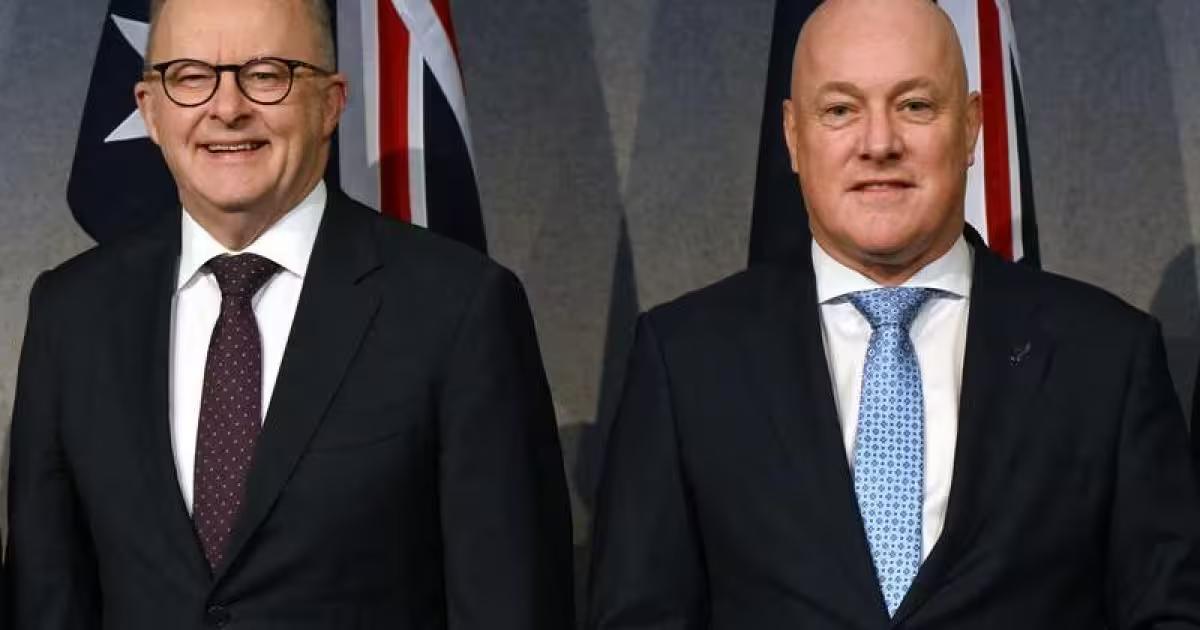
Hatcher said falling living standards had hit the lowest paid the hardest, which is why the commission gave that group a larger increase through what it described as a structural adjustment to pay classifications. The lowest ongoing wage rate had been just under $24.95 an hour before the ruling, making the new rate one of the clearest signs yet that wage-setting authorities are still trying to catch up with living costs.
The decision follows a 3.5% minimum wage increase for 2025-26, and it arrives as cost of living remains the No. 1 issue for Australian households after inflation surged in the wake of the Covid-19 lockdowns. Jim Chalmers had called for a real wage increase but said it also needed to be sustainable, a balance the commission has tried to strike by lifting the lowest paid more sharply without matching the unions’ full demand.
The new pay rates will begin on 1 July, and the practical effect will be felt first in the payslips of workers on awards and the country’s lowest hourly rate. The open question now is not whether wages will move, but how far the increase will go in offsetting the next round of higher prices.
