


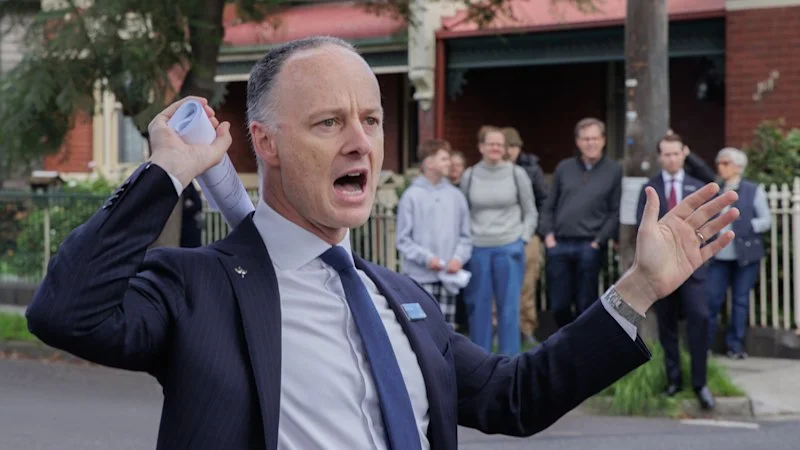
Australia’s property market lost momentum in May, and the slowdown was clearest in Sydney and Melbourne. National price growth ground to a halt, Sydney overall values fell 0.9 per cent and Melbourne total dwelling values slipped 0.8 per cent.
The numbers were released on Monday and quickly became the focus for buyers and sellers trying to read the market in real time. In Sydney, house values fell 1.1 per cent in May and were down 2.5 per cent since the start of the year, while the median house price slipped from above $1.6 million in February to $1.58 million. Melbourne house values dropped 1 per cent to a median of $958,000, and unit values fell 0.4 per cent.
The latest figures matter because they show a sharp split in Australian housing. Perth house values rose 1.4 per cent in May to just shy of $1.1 million and were up 25.6 per cent over the past year, while Brisbane house values climbed 0.8 per cent to a median of $1.23 million and were 18.6 per cent higher annually. Values also increased in Hobart, Darwin and Adelaide, regional property values rose 0.6 per cent, and every regional market grew in May.
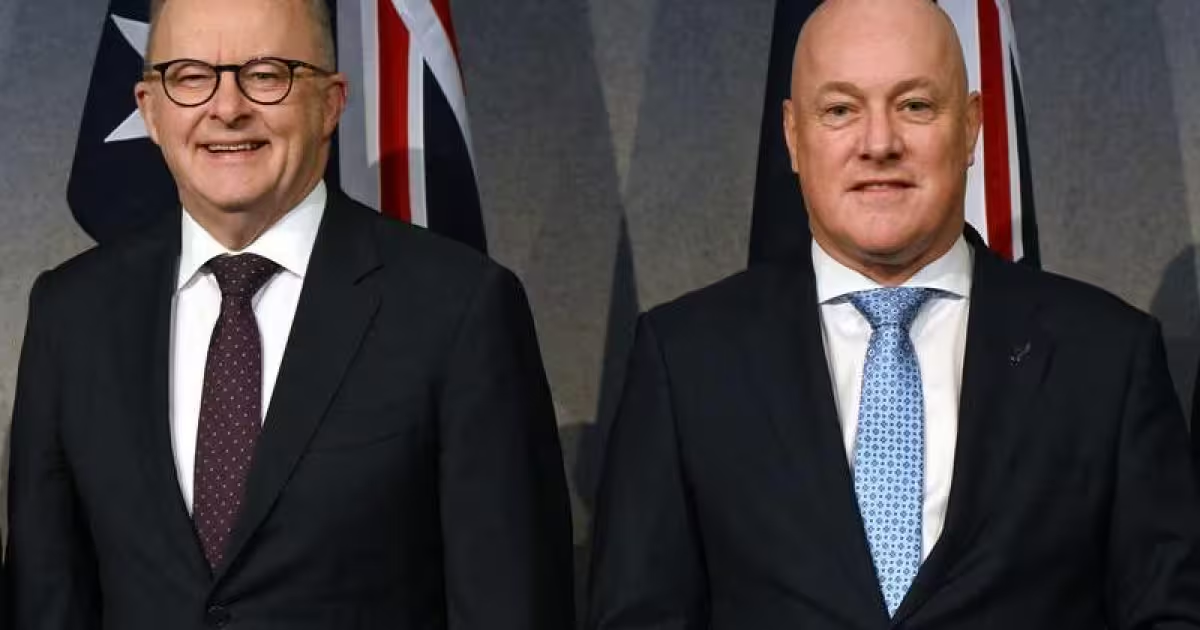
That contrast sits alongside a rental market that is still tight. New rents rose 0.6 per cent in May, annual rental growth returned to 5.9 per cent and the vacancy rate held at 1.5 per cent, after the cost of renting climbed by about $204 a week over the past five years. For many households, that leaves less room to move into ownership even as some capital city prices soften.
Clare O’Neil said the government’s changes to negative gearing and capital gains tax were not “the main driver” of any price drops, arguing that interest rate increases were playing a more important role. Treasury modelling had forecast only a 2 per cent reduction in house prices from the policy changes, yet tax reform is still among the forces weighing on values as the Reserve Bank holds official rates at 4.35 per cent and affordability remains stretched.
Tim Lawless said the largest drop in estimated sales could be seen in Sydney and Melbourne, down 17 per cent and 14.2 per cent from a year earlier, and said those were also the cities where advertised supply had risen above average levels. That extra choice is helping buyers push back. Whether Sydney and Melbourne keep sliding, or find a floor as spring demand builds, is now the question shaping the next round of news australia headlines.
