


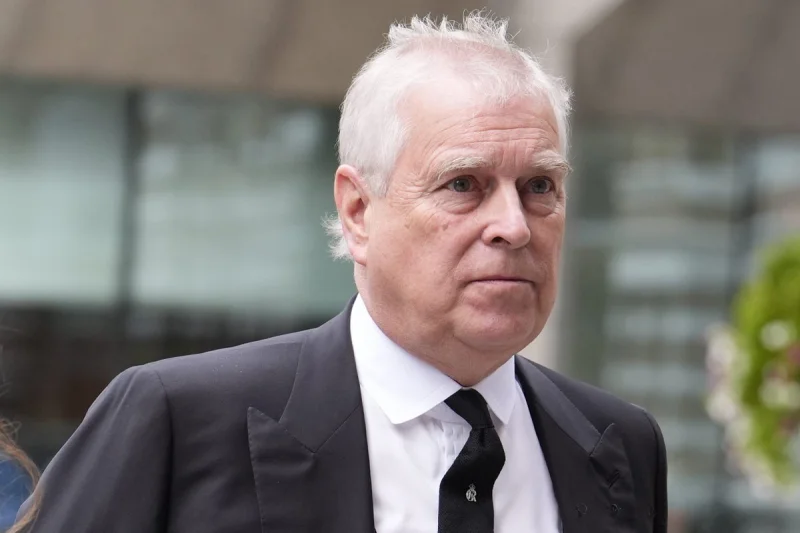
Buckingham Palace was handed an archive of 30,000 emails about Andrew Mountbatten-Windsor in 2020, court documents show, raising fresh questions about what senior royal officials knew long before the current police enquiry. The cache, described in later rulings and linked to a personal business contact of the former prince, could have exposed confidential government information tied to his work as a trade envoy.
The timing matters because Palace officials were already in possession of the material in May 2020, years before Thames Valley Police renewed its appeal last week for people to come forward with information after Mountbatten-Windsor’s arrest on suspicion of misconduct in public office. A later High Court judgment in April 2021 said a copy of the archive had been provided for the Lord Chamberlain, the most senior officer in the Royal Household, and another ruling in June 2022 referred to an email dated 10 July 2020 saying the emails had been delivered to Buckingham Palace.
The archive ran up to June 2013 and was taken from Jonathan Rowland’s account after a dispute with a business colleague before later being obtained by retail entrepreneur Kevin Stanford. That detail matters because Rowland previously told the that the published messages about Icelandic banks had been taken from his account and were part of legal proceedings. Earlier this year, the Daily Telegraph published emails showing Mountbatten-Windsor had asked Treasury officials for a confidential briefing in 2010 and then shared it with a personal business contact, with the briefing focused on problems in Iceland’s banking industry.

The Palace’s answer now is that it cannot comment because there is an ongoing police enquiry concerning Mr Mountbatten-Windsor. But court records indicate the emails were in its hands well before the present scrutiny, and that leaves the central gap unanswered: what, if anything, was done after the archive reached Buckingham Palace in 2020.
The emails sit inside a wider picture of Mountbatten-Windsor’s financial dealings with the Rowlands and Banque Havilland, a bank that later faced sanctions from regulators in the UK and the EU. The Epstein files released earlier this year in the US also showed his closeness to the Rowlands, including promoting their business ventures and giving personal assurances for David Rowland as his trusted money man. Sarah Ferguson was also recorded as receiving a Rowland bank loan.
For Buckingham Palace, the issue is no longer only what the emails contained. It is when they were received, who saw them, and why a trove that could have exposed highly sensitive conduct remained out of public view until court documents brought it back into the open.
