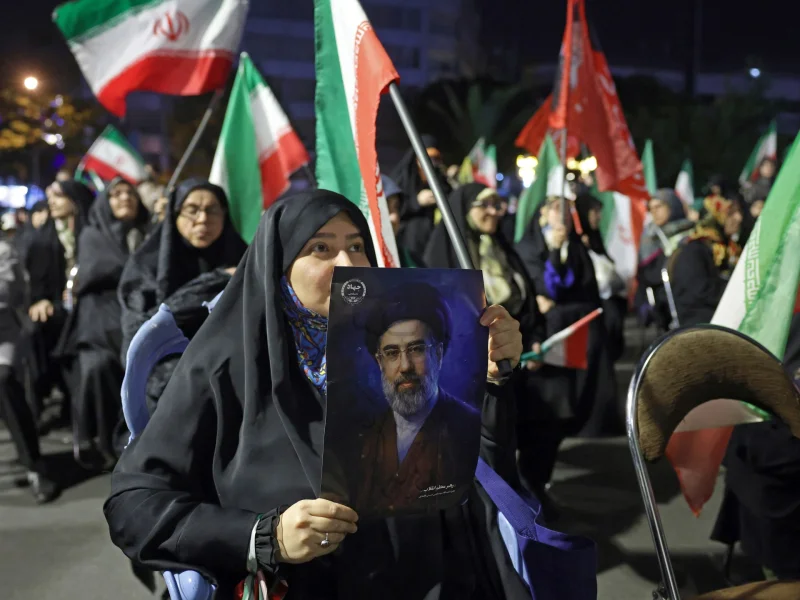
President Donald Trump has pushed to toughen several terms in a proposed deal meant to end the US-Israel war on Iran, and the White House left Friday’s Situation Room meeting without announcing a decision. The new framework has since gone back to Tehran for review, but the changes Trump wanted are still not public.
That is why the talks are being watched so closely now., and other outlets have followed the negotiations as the administration tries to close a deal that would halt a war that began after the US and Israel attacked Iran on February 28. The proposal remains unresolved, and the next move could determine whether the talks move ahead in days or slip into another stretch of uncertainty.
reported that Trump’s changes would make the terms stricter. Axios said he wanted to reinforce several points he considers essential, including what should happen to Iran’s nuclear material. A senior US official told Axios that Trump was told Iran could take three days to answer. The same official described the process as slow and technical, saying, “They’re literally in caves, and they’re not using email.”
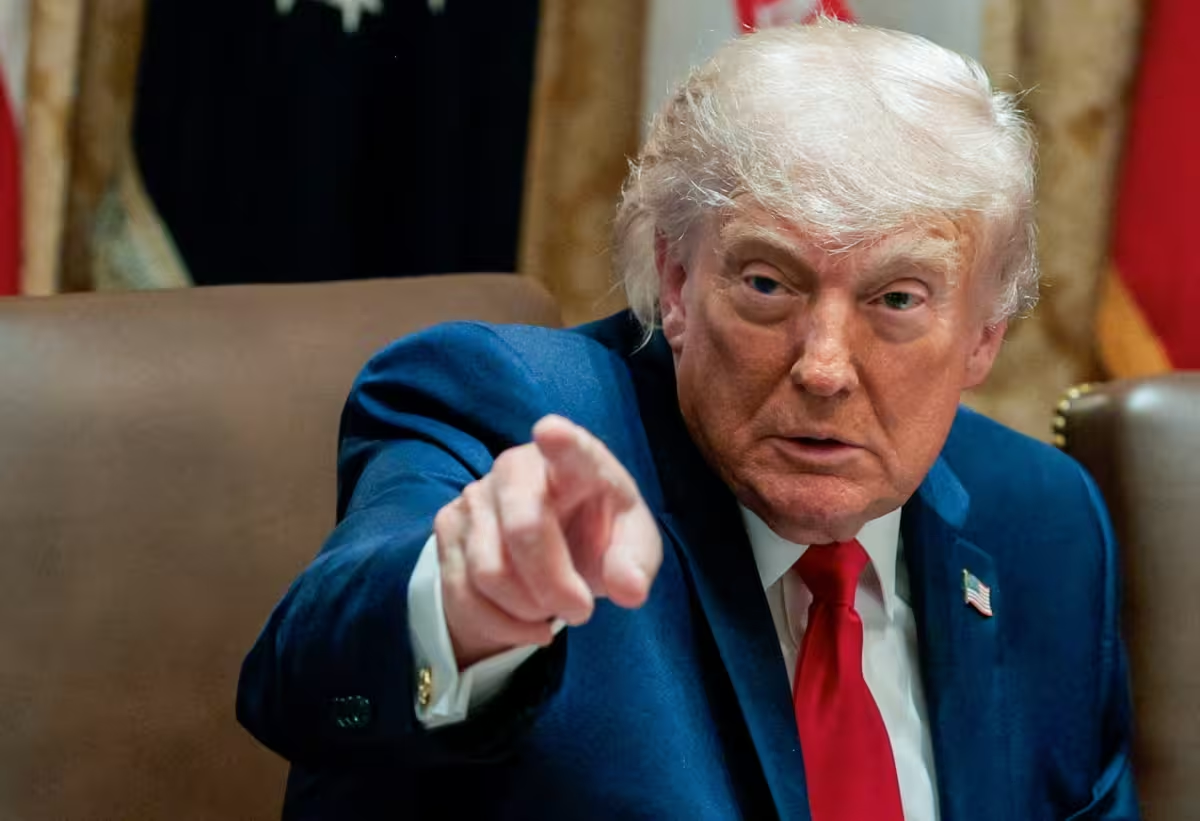
Those details matter because the president has made the same two demands repeatedly: Iran must never develop nuclear weapons, and the blockaded Strait of Hormuz must reopen. The waterway carries about 20 percent of the world’s oil and gas supply, which gives any agreement far broader weight than a bilateral ceasefire. US sources told AFP the proposal had been sitting waiting for Trump’s sign-off before it went back to Iran.
Tehran, meanwhile, is not sounding as if the talks are over. Foreign Minister Abbas Araghchi said on Sunday that “dialogue and an exchange of messages are ongoing” with the US, while adding that “it is not possible to judge until a clear conclusion is reached” and that “everything that is being said now is speculation and should not be taken seriously until it is certain.”
The hard edge in the negotiations is not hiding, either. Mohammad Bagher Ghalibaf said Tehran would not accept any deal that fails to secure full Iranian rights, warning that there is no trust in the enemy’s words and promises and that only tangible results before commitments will count. That position leaves Trump pressing for tougher terms while Iran insists the talks remain alive and its red lines have not moved.
What comes next is a response from Tehran to the revised framework, and Axios reported that Trump has been told it may take three days. If that timing holds, the decision that was not made on Friday will shape the talks well into the new week, with the gap between Washington’s demands and Tehran’s conditions still the real story.