


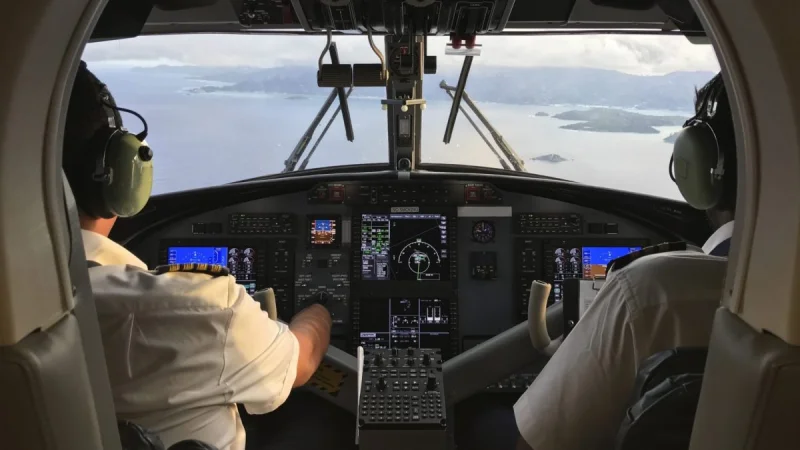
Jet2 was among the UK airlines caught in a year-long wave of suspected Russian GPS spoofing that affected more than 1,500 British Airways flights, 57 Jet2 flights and 46 easyJet flights between 28 May last year and 28 May this year. The incidents have continued into this week, putting fresh focus on a problem that is no longer confined to military aircraft or one-off scares.
Defence Secretary John Healey felt that risk personally last week when an RAF jet carrying him had its GPS signal jammed near the Russian border. On the same day, 18 flights run by BA, easyJet, Ryanair and Jet2 were also hit by interference, a reminder that the problem is now landing in commercial schedules as well as government ones.
The scale matters because GPS data is used alongside speed and altitude readings in systems that can warn pilots if they are on a collision course with a mountain, another aircraft or any other obstacle. Jamming and spoofing can disrupt navigation and cut off linked software on board, including alerts and early warning systems, even though commercial aircraft carry back-up systems and crews are being retrained for GPS-denied conditions.
Most of the reported incidents were in eastern Europe near the Russian border, where security experts say the Kremlin is believed to have permanent GPS jammers in place. Since Russia's war in Ukraine began, that region has become a hotspot for interference, and the concern now is not just that aircraft can be misled, but that the volume of attacks is rising fast enough to strain procedures designed to cope with them. Aviation specialist Raphael Monstein described the trend as a remarkable increase.
That pressure showed up this week. A BA flight from New Delhi to Heathrow was spoofed over the Black Sea, with its onboard GPS showing it was over land in Odesa, on Ukraine's coast, for around 900km. A Ryanair flight from Riga to East Midlands airport also lost its onboard GPS for an hour while flying in the Baltic region. Joji Waites said crews have to guard against over-reliance on any single technology and that these cases are collateral effects of predominantly military activity, even as she said highly trained, experienced professionals following rigorous procedures are what keep the risk managed on every flight.
For Jet2, the numbers show the issue is not abstract: 57 flights were affected in the period counted. The unanswered question is how far the suspected spoofing campaign reaches beyond the flights already logged, and whether the next response will go beyond added training and the layers of backup aircraft already carry.
